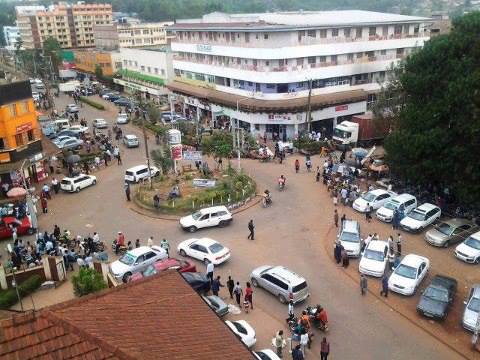
Kisii sits high in Kenya’s western highlands, a hillside trading town that most travellers only glimpse from a matatu window en route between Kisumu and the Maasai Mara. That’s a shame, because Kisii – headquarters of the Gusii (Abagusii) people and Kenya’s soapstone capital – is one of the more distinctive stops on the western circuit, built around a craft tradition that’s been worked out of these hills for over a century.
Why visit
Kisii town is the commercial heart of the Gusii Highlands, a densely farmed, tea-and-banana landscape at around 1,700m elevation that stays green and cool year-round – a striking contrast to the heat of the lake basin below or the savanna of the Mara further east. The county’s real draw is Tabaka, a cluster of villages 20-24km west of town that has mined and carved soapstone since at least 1885 and now supports thousands of carvers, making it one of the few places in Kenya where you can watch an entire craft economy at work, from quarry to finished sculpture. Kisii also functions as a practical hinge point on the western Kenya tourist circuit, sitting between Kisumu, Lake Victoria, the Maasai Mara and Ruma National Park.
Things to do
Tabaka soapstone workshops. The centre of Kenya’s soapstone industry, where quarrying and carving have been a way of life for generations – men typically mine and rough-carve the stone by hand from open pits, women sand, dye and polish the finished pieces. Several workshops welcome visitors to watch the process from raw block to bowl, sculpture or chess set, and buying directly here supports carvers rather than middlemen. The stone itself ranges from creamy white and pink to grey and black, and pieces are sold both in Tabaka’s roadside curio shops and shipped internationally – Kisii soapstone sculptures sit in collections as far afield as the UN headquarters in New York, thanks in large part to the county’s best-known carver, the late Elkana Ong’esa.
Kisii Cultural Centre. A modest museum and crafts space in town dedicated to Gusii history, customs and folklore – a useful orientation before or after a Tabaka visit if you want the cultural context behind the carving.
Nyanchwa Hills. A forested hill on the edge of town considered spiritually significant to the Gusii, with walking trails and views out over Kisii and the surrounding highlands.
Kitutu Chache Caves and Ikobe Rock Shelter. Lesser-visited natural sites in the hills around Kisii, of interest to travellers keen on hiking or local history beyond the standard soapstone stop.
Riana Falls and the Gucha River. A waterfall and river valley outside town offering a green, rural counterpoint to the craft-focused itinerary most visitors follow – good for a short hike or picnic stop.
Kisii Cathedral and colonial-era architecture. The town centre retains pockets of early 20th-century colonial building alongside its markets, worth a wander if you’re already spending a night here.
Where the Gusii come from
The Abagusii trace their origins to a long Bantu migration that oral tradition places at a homeland called Misiri, somewhere north of Mount Elgon — possibly a folk memory fused with Nilotic migration stories over centuries of contact with Kalenjin neighbours. What’s better documented is the route: ancestors moved south around Mount Elgon, across the Kano Plains between Kisumu and the western highlands, before pressure from Luo expansion and Kipsigis raiding pushed them into the defensible hill country that’s now Kisii and Nyamira counties, a settlement generally dated to somewhere between the 16th and 18th centuries. The clan structure that still shapes Gusii social life — originally four to six major lineages including the Abagetutu, Abanchari and Abagirango among others — formed during that migration and settlement period, with hilltop sites like the Manga Hills serving as early defensive strongholds.
Kisii town today
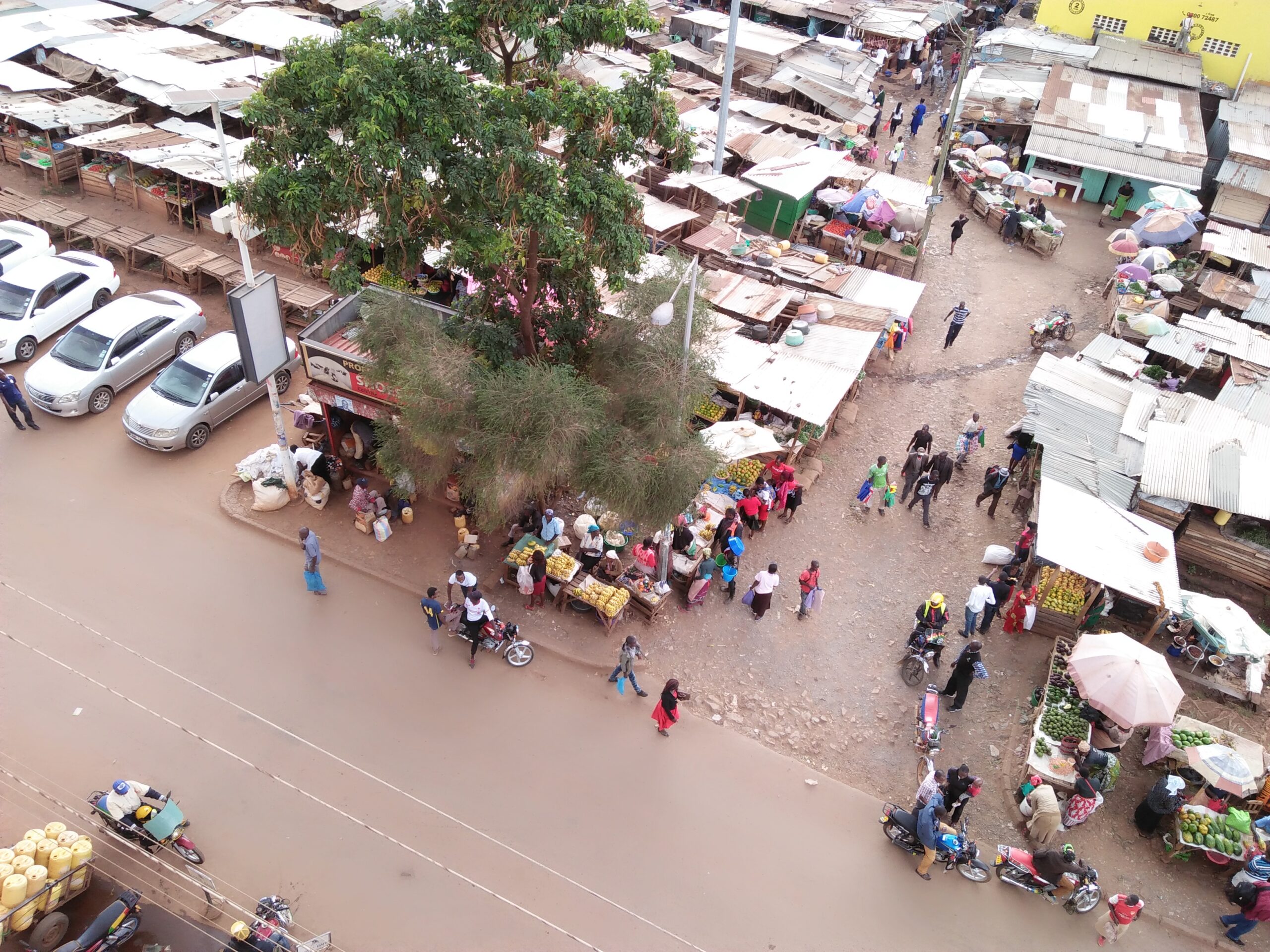
Locally, Kisii town is often called Bosongo or Getembe rather than by its official name, and it’s grown well beyond its trading-post origins into the commercial hub for the whole Gusii Highlands — banks, hospitals, a university campus and Gusii Stadium, the county’s main sports venue, all cluster around the town centre. Tea and dairy farming, alongside the soapstone trade, are the backbone of the local economy; the smallholdings visible on every hillside driving into town are mostly a mix of tea bushes, banana groves and dairy cattle, which is why fresh milk, tea and bananas turn up in nearly every local meal.
Day trip: Ruma National Park
Kisii is one of the standard access routes to Ruma National Park in neighbouring Homa Bay County, roughly 65km away – Kenya’s only park in the former Nyanza Province and the last stronghold of the roan antelope in the country, alongside sitatunga, buffalo and a strong bird list along the Lambwe Valley near Lake Victoria. It’s a quiet, uncrowded park by Kenyan standards, and combining it with a Tabaka visit makes a reasonable full day out from Kisii town.
Food
Gusii food centres on the highlands’ agricultural base – obokima (a stiff maize-and-millet or maize-and-cassava ugali, denser than the standard maize version) served with omoro (a fermented vegetable stew, often made with pumpkin or cassava leaves) or with meat and vegetable stews. The highlands are also serious tea and dairy country, so fresh milk and tea show up constantly, alongside bananas and sweet potatoes grown on nearly every smallholding in the county. It’s home cooking rather than a restaurant scene – hotel and guesthouse kitchens in Kisii town are the easiest way to try it.
Getting there
Kisii sits on the A1 highway and is well connected by road: about 66km (1h30-1h45) from Kisumu, and roughly 340-360km (5-6 hours) from Nairobi via Nakuru and Kericho. Frequent matatus and buses run both routes. There’s also a small chartered airstrip at Suneka, about 9km from town, used mainly by business travellers and mainly reached via Wilson Airport flights from Nairobi rather than scheduled service.
Best time to visit
The Gusii Highlands see rain in some form most of the year thanks to their position at the edge of the Lake Victoria basin, so there’s no fully dry season – but the lightest rainfall tends to fall from December to February and again in July, making these the more comfortable windows for a Tabaka visit or a hike in the hills. Temperatures stay mild year-round given the elevation, cooler than Kisumu or the coast.
FAQ
Is Kisii worth an overnight, or just a stop? Most visitors treat it as a half-day to full-day stop between Kisumu and the Mara rather than a base for a multi-night stay, though an overnight lets you fit in Tabaka, the Cultural Centre and a Ruma day trip without rushing.
Do I need a guide to visit Tabaka? Not strictly – workshops are used to visitors – but a local driver or guide makes it easier to see several workshops, understand the carving process, and buy directly from carvers rather than the first roadside stall.
Is soapstone easy to bring home? Small and medium pieces travel well in checked luggage if wrapped carefully; larger sculptures are heavy, and some shops can arrange shipping.
Related
- Kisumu Travel Guide — the nearest city and a common base for reaching Kisii
- Kenya Travel Guide — plan the wider trip
- Kakamega Forest — Kenya’s only rainforest, further north
- Find places to stay — compare Kisii and Kisumu-area hotels
Leave a Reply