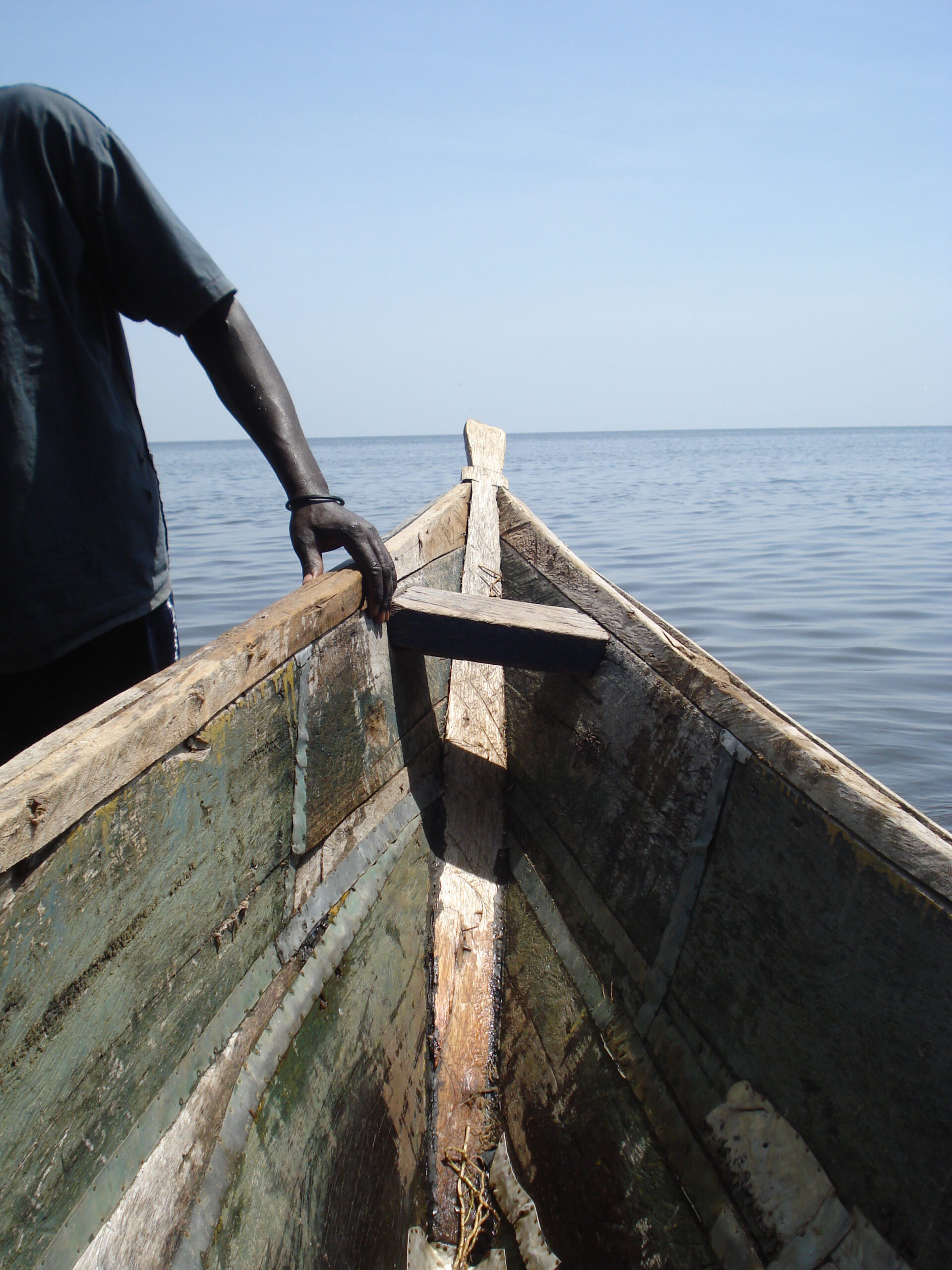
Most first-time visitors to Kenya never make it past the safari circuit and the coast. Kisumu, the country’s third-largest city, sits on the shores of Lake Victoria – Africa’s largest lake – and offers a completely different Kenya: lakeside, Luo, and largely free of tour buses.
Why Kisumu is worth the detour
Kisumu began life as “Port Florence”, the inland terminus of the old Uganda Railway, and that trading-post history still shapes the city’s relaxed, mixed-culture waterfront feel. It sits about 340km west of Nairobi on the Winam Gulf, and it introduces travellers to a completely different ecosystem from the savannah – the operational heart of one of Africa’s most important freshwater fisheries.
A short history
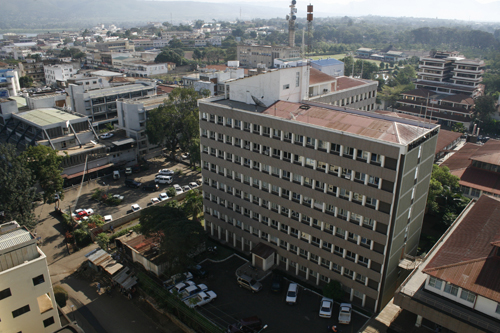
The railway reached the lakeshore in 1901, and the settlement that grew up around the terminus was renamed Kisumu a few years later – a Luo word connected to trade and barter, reflecting the town’s early role as a lake port moving goods between the coast, Uganda and the interior. Kisumu was Kenya’s main port for decades, and though rail and lake traffic have declined since independence, the city has kept its role as the commercial and cultural capital of Luo Nyanza, with a slower, more lakeside rhythm than Nairobi or Mombasa.
Getting around once you’re there
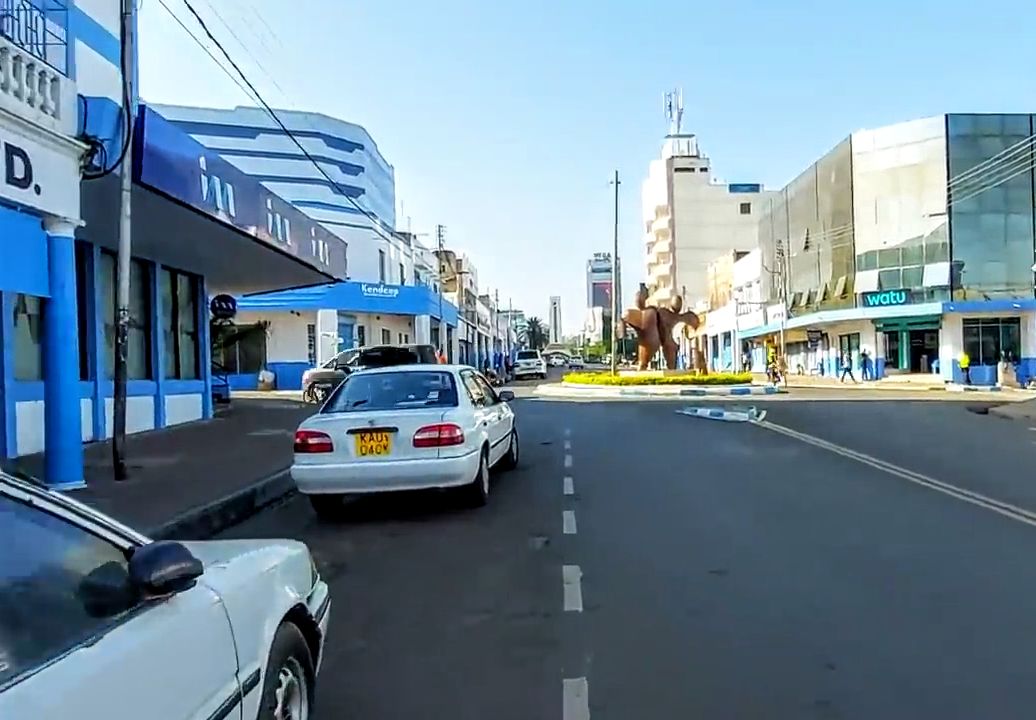
Kisumu is compact enough to explore on foot in the centre, but boda bodas (motorbike taxis) and tuk-tuks are the fastest way to cover longer distances, and metered taxis or ride-hailing apps are widely available for a more comfortable option. Oginga Odinga Street is the main commercial spine downtown, lined with shops, banks and street-side vendors – a good orientation point before heading out toward the lake.
Things to do
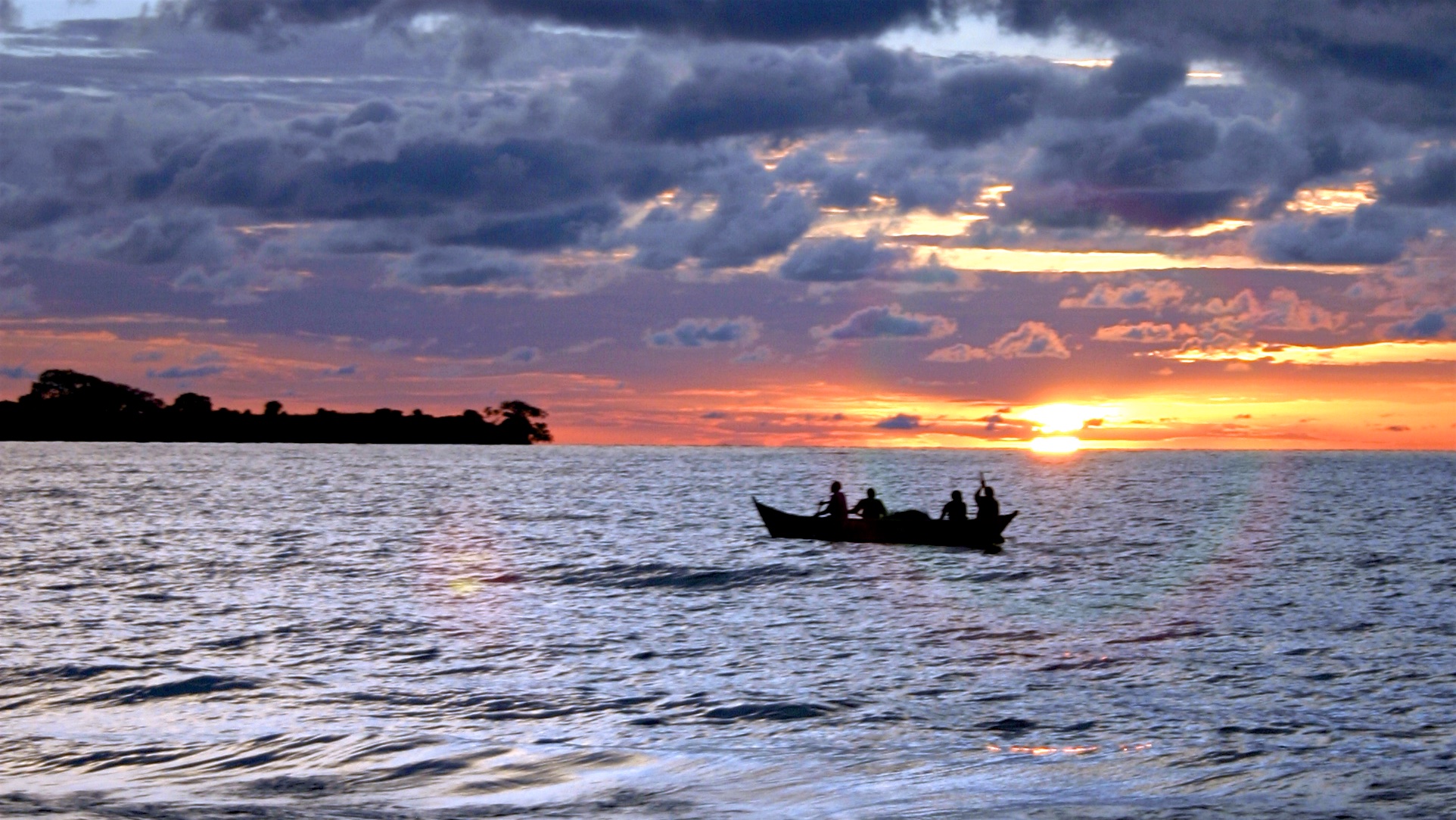
Dunga Beach. A working fishing village on the lakeshore where wooden boats bring in the day’s tilapia catch each afternoon – stick around for a boardwalk stroll through the papyrus wetlands and a plate of freshly grilled fish. Dunga Hill Camp, just along the shore, is a relaxed spot for a sundowner with lake views.
Kisumu Impala Sanctuary. A short walk from the city centre, with impala, zebra and hippo roaming lakeside trails, plus a small animal orphanage and a boat-launch point onto the lake – an easy half-day if a full safari isn’t on the itinerary.
Hippo Point. A viewpoint a short drive from town, best visited early morning or at sunset, where resident hippos are regularly spotted offshore along with fish eagles and kingfishers working the shallows.
Ndere Island National Park. A roughly 30-minute boat ride onto Lake Victoria itself, with acacia woodland, sitatunga antelope, monitor lizards and prime birdwatching – genuinely quiet, since almost no one makes the crossing.
Kisumu Museum. One of the country’s better regional museums, with Luo homestead replicas, a snake park and exhibits on Lake Victoria’s ecosystem and fishing traditions.
Kibuye Market. One of East Africa’s largest open-air markets, sprawling out from the city centre and busiest on Wednesdays and Sundays – textiles, produce, secondhand clothing and a genuine slice of everyday Kisumu life rather than a tourist-facing craft stall.
Lwang’ni Beach. A row of open-air lakeside eateries near the yacht club serving grilled and fried tilapia straight from the lake – the default answer to “where should I eat in Kisumu” for most locals.
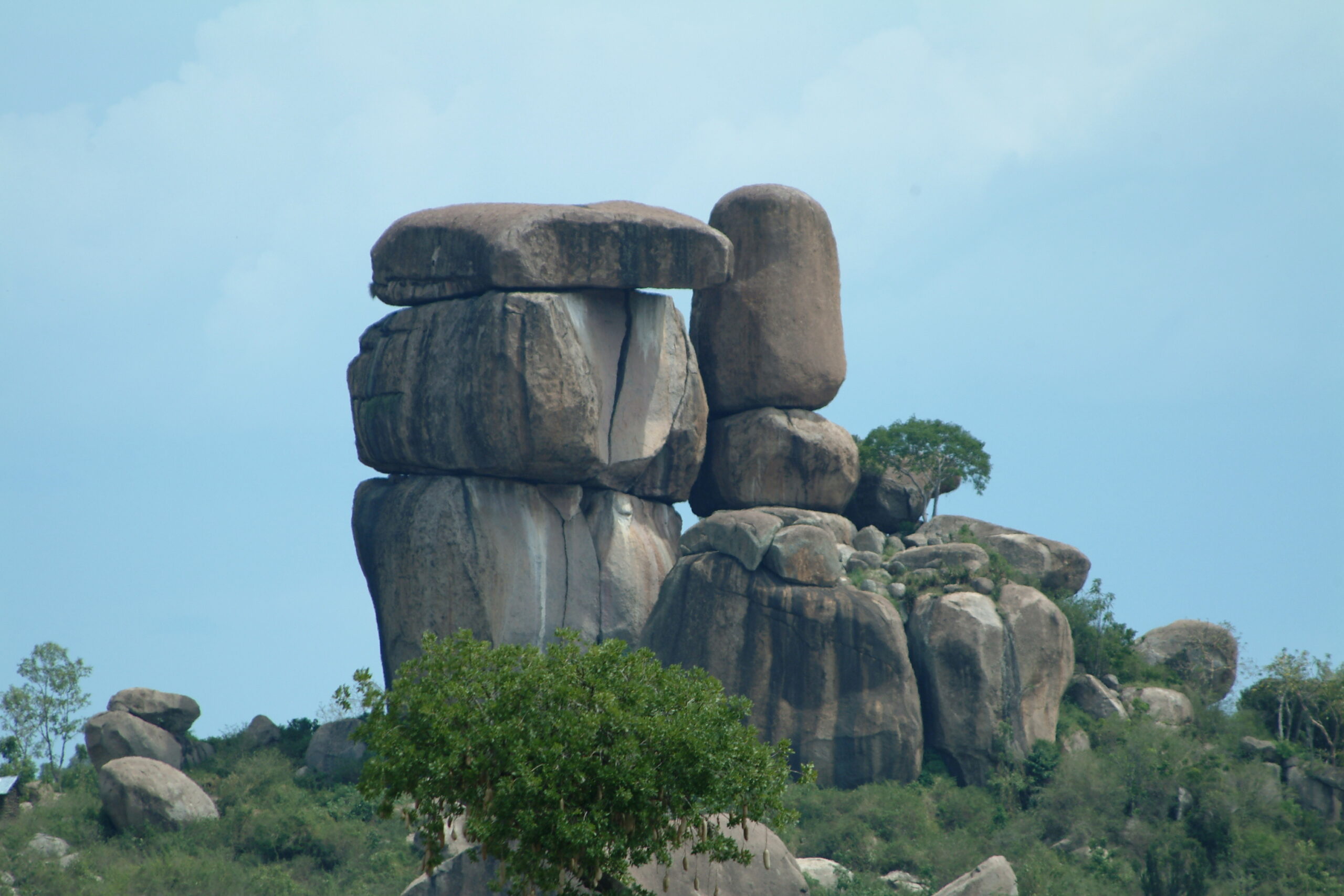
Kit Mikayi. A striking rock formation about 30km west of the city, its columns rising some 120 metres and arranged, Luo tradition holds, like a polygamous homestead – the largest central rock is Mikayi, the first wife, flanked by the stones of the second and third wives. The name means “stone of the first wife,” and the best-known legend tells of an old man, Ngeso, so devoted to the rock that he spent his days in its caves, prompting his wife to explain his absence by saying he had “gone to his first wife.” It is still a site of worship and pilgrimage for the local Luo-Kakello clan, with caves to climb into and panoramic views over Kisumu and the lake from the top.
What to eat
Kisumu’s food scene runs on the lake: whole fried or grilled tilapia, ugali, and omena (small dried or fresh silver fish) are the local staples, best eaten at Lwang’ni Beach or Dunga Beach rather than a hotel restaurant. Kisumu is also known for a livelier nightlife than its laid-back daytime pace suggests, with lakeside bars around the yacht club filling up on weekend evenings.
Where to stay
Central options along or near Oginga Odinga Street put you walking distance from restaurants and the market; lakeside hotels toward Milimani or the Impala Sanctuary side trade a bit of convenience for quieter, greener surroundings and better lake views.
A simple 2-3 day plan
Day 1. Orient yourself downtown, visit Kisumu Museum, then head to Lwang’ni Beach for a fish dinner at sunset.
Day 2. Morning at the Impala Sanctuary and Hippo Point, afternoon boat trip to Ndere Island if the weather’s cooperating.
Day 3. Half-day trip out to Kit Mikayi, or extend north to Siaya for Kogelo and the Yala Swamp before flying out.
Best time to visit
Kisumu sits on the equator and stays warm and humid year-round. The driest, most comfortable stretches for lakeside walks and boat trips are typically June to September and January to February – similar timing to the classic safari season further east.
Getting there
Kisumu has its own airport with regular domestic flights from Nairobi (roughly an hour), or it’s a scenic road trip through the Rift Valley if you’re combining it with a wider Kenya itinerary.
FAQ
Is Kisumu safe for tourists? Yes – like any Kenyan city, use normal precautions (keep valuables secure in markets, use registered taxis at night), but Kisumu has a notably relaxed pace compared with Nairobi.
Can I combine Kisumu with a Maasai Mara safari? Yes, though it’s a different region of the country – most visitors treat it as a separate 2-3 day add-on rather than a stop en route to the Mara.
How many days do I need in Kisumu? Two to three days covers the city and a couple of half-day trips comfortably; add a day if you want to include Siaya or a longer Ndere Island excursion.
Is Lake Victoria safe to swim in? Bilharzia (schistosomiasis) is present in parts of the lake, so most visitors stick to boat trips and shoreline walks rather than swimming – ask locally about any designated safe swimming spots.
Related
- Kenya Travel Guide — plan the wider trip
- Nairobi Travel Guide — where most Kisumu trips start
- Siaya Travel Guide — a quiet day trip north
- Kakamega Forest — Kenya’s only rainforest, an hour north
- Bomet Travel Guide — tea country toward the Mara
- Compare flights — find your route to Kisumu
Leave a Reply