Author: bicotrav

  • Bomet Travel Guide: Kenya’s South Rift Tea Country

    Bomet Travel Guide: Kenya’s South Rift Tea Country

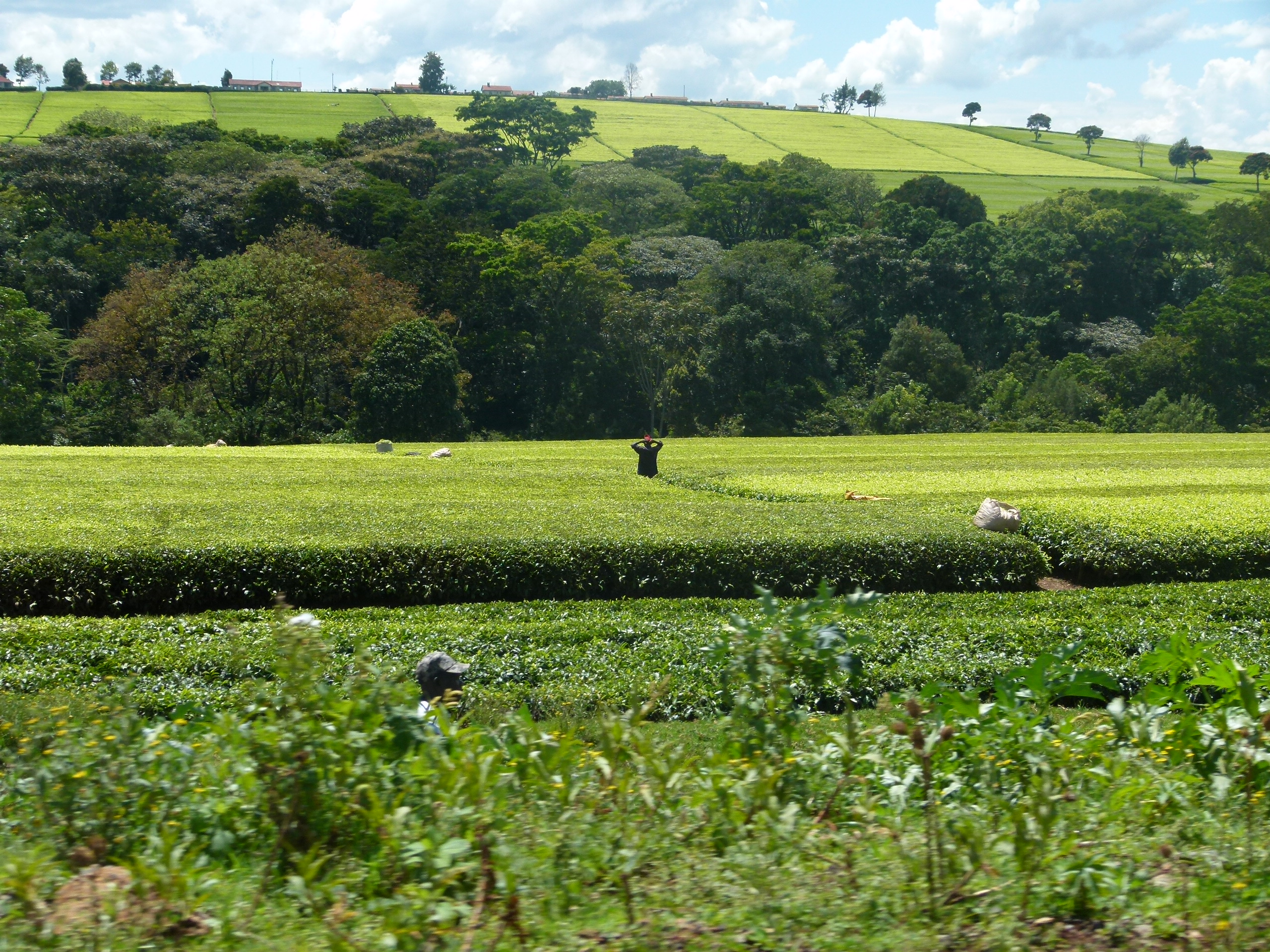
    Tea plantations in the Kericho-Bomet tea country, South Rift, Kenya

    Bomet County sits in Kenya’s South Rift, wedged between the Mau Forest complex and the Maasai Mara – a green, hilly stretch of tea country that most safari itineraries drive straight through on the way to the Mara without stopping.

    Why visit Bomet

    Bomet is Kipsigis heartland, and its rolling tea plantations run into neighbouring Kericho County to form one of Kenya’s most photogenic agricultural landscapes. It borders the Mau Forest Complex – the largest closed-canopy indigenous forest in Kenya and a key water catchment for Lake Victoria and the White Nile – so the county doubles as a gateway to forest walks and birding as well as tea-country scenery.

    A little history and culture

    Commercial tea arrived in the Kericho-Bomet highlands under British colonial estates in the early 1900s, drawn by the cool climate and reliable rainfall of the Mau escarpment – the same conditions that make the region so green today. The Kipsigis, a Kalenjin-speaking community and Kenya’s largest Kalenjin subgroup, are the majority in Bomet, with a strong pastoral and now smallholder-farming tradition; mursik, a fermented milk stored in a smoked gourd, is a Kalenjin staple worth trying if it’s offered at a homestay or farm visit.

    The Kipsigis age-set system

    Kipsigis society, like other Kalenjin groups, has traditionally been organised around ipinda – a cyclical age-set system that grouped people initiated in the same period into named generations (Maina, Nyongi, Chumiot, Saweiyiek, Korongoro, Kipkoimet, Kaplelach and Kipnyiige, repeating roughly every century). Initiation, tumdo, marked the passage from childhood into a named age-set with its own responsibilities, and the system shaped everything from warriorhood and land rights to who could marry whom. It’s a less visible layer of Bomet’s culture than the tea estates, but it’s the social architecture underneath the farmland – and a good local guide or homestay host can explain how much of it still shapes community life today, even as the warrior age-grades of the past have given way to schooling, farming and, for a striking number of Kipsigis, world-class distance running.

    Things to do

    Tea plantation visits. Kenya has launched dedicated tea tourism around Bomet and neighbouring Kericho, with working estates opening up to visitors for tours and tastings among the tea bushes – a good half-day that also explains how the leaves in your morning cup actually get picked and processed.

    Chepalungu Forest. A lesser-known forest reserve with walking trails and strong birdlife – a quiet contrast to the county’s farmland, and one of the more accessible patches of indigenous forest in the South Rift.
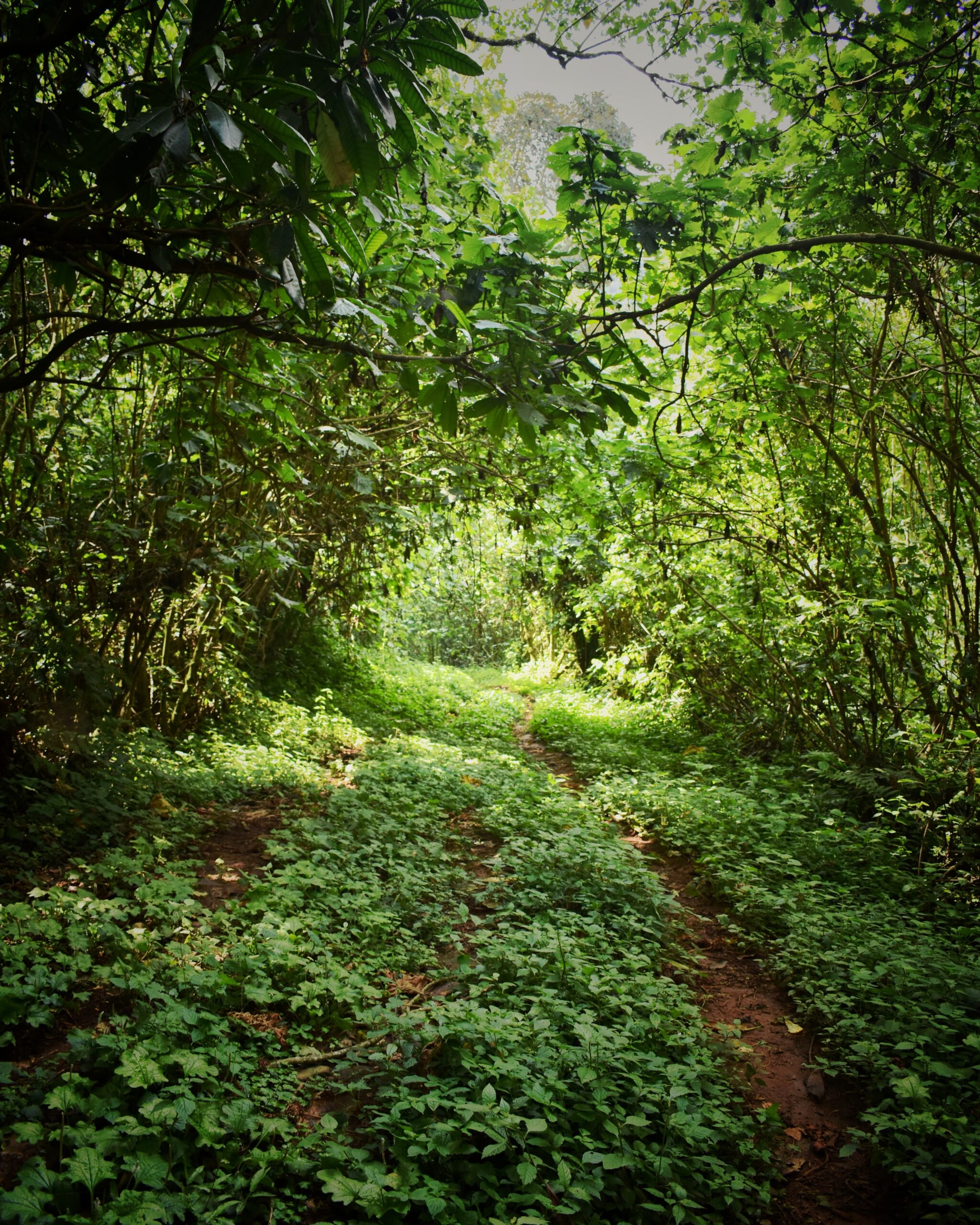
    Inside the Mau Forest complex near Bomet, Kenya
    Photo: Bett Duncan, CC BY-SA 4.0, via Wikimedia Commons

    Tenwek Falls. A waterfall stop near Tenwek Hospital, a well-known mission hospital that has anchored the area for decades – an easy add-on if you’re passing through the south of the county.

    South Western Mau Forest. Part of the wider Mau Forest Complex, offering forest access and river valleys without the crowds of a national park.
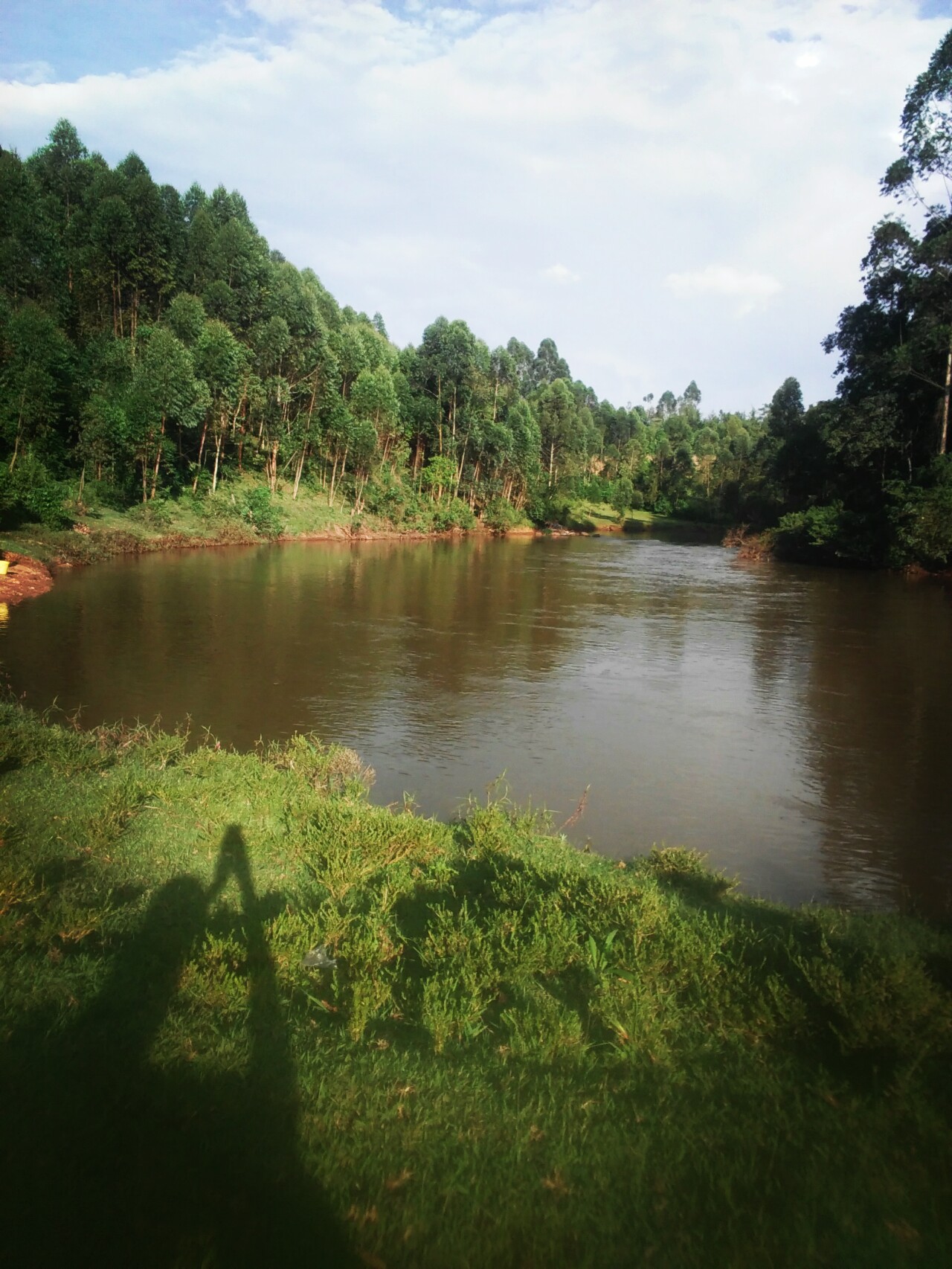
    River Kipranye in the Kericho-Bomet tea highlands, Kenya
    Photo: Kibitok Matty, CC BY-SA 4.0, via Wikimedia Commons

    Onward to the Maasai Mara. Bomet borders Narok County and sits on one of the routes into the Maasai Mara, making it a natural overnight stop for travellers driving in from western Kenya rather than flying into the reserve.

    A simple 1-2 day plan

    Day 1. Morning tea estate tour and tasting, afternoon drive out to Chepalungu Forest or a stretch of the South Western Mau for a walk, overnight in Bomet or Kericho town.

    Day 2. Stop at Tenwek Falls on the way south, then continue the drive into the Mara or back toward Kisumu, depending on your route.

    Best time to visit

    Rainfall is fairly evenly distributed through the year in Bomet, with January and February the driest stretch – useful to know since it’s also tea country, and the plantations stay green regardless of season.

    Getting there and around

    Bomet is roughly a 3-hour drive from Nairobi via the Narok-Bomet-Kisii road (B3), making it realistic as a stop on a road-trip itinerary through the Rift Valley rather than a flight destination on its own. There’s no scheduled passenger airport serving Bomet directly, so a self-drive or hired vehicle is the practical way to see the county at your own pace.

    FAQ

    Is Bomet part of a typical Maasai Mara safari? Not usually by air, but if you’re self-driving or on a road-based safari from Nairobi, Bomet’s tea estates make a scenic overnight stop en route.

    What’s the difference between Bomet and Kericho? They’re neighbouring counties that share the same tea-growing highlands – Kericho town is the more established tourism base, Bomet is quieter and less developed for visitors.

    Do I need a guide for the tea estates? Most working estates that welcome visitors run their own guided tours as part of the visit, so you don’t need to arrange one separately – just confirm ahead, since not every estate is open to the public.

    Related

  • Kisumu Travel Guide: Kenya’s Lake Victoria City

    Kisumu Travel Guide: Kenya’s Lake Victoria City

    Lake Victoria shoreline at Kisumu, Kenya

    Most first-time visitors to Kenya never make it past the safari circuit and the coast. Kisumu, the country’s third-largest city, sits on the shores of Lake Victoria – Africa’s largest lake – and offers a completely different Kenya: lakeside, Luo, and largely free of tour buses.

    Why Kisumu is worth the detour

    Kisumu began life as “Port Florence”, the inland terminus of the old Uganda Railway, and that trading-post history still shapes the city’s relaxed, mixed-culture waterfront feel. It sits about 340km west of Nairobi on the Winam Gulf, and it introduces travellers to a completely different ecosystem from the savannah – the operational heart of one of Africa’s most important freshwater fisheries.

    Aerial view of Kisumu city on the shore of Lake Victoria, Kenya
    Photo: DEMOSH, CC BY 2.0, via Wikimedia Commons

    A short history

    The railway reached the lakeshore in 1901, and the settlement that grew up around the terminus was renamed Kisumu a few years later – a Luo word connected to trade and barter, reflecting the town’s early role as a lake port moving goods between the coast, Uganda and the interior. Kisumu was Kenya’s main port for decades, and though rail and lake traffic have declined since independence, the city has kept its role as the commercial and cultural capital of Luo Nyanza, with a slower, more lakeside rhythm than Nairobi or Mombasa.

    Getting around once you’re there

    Kisumu is compact enough to explore on foot in the centre, but boda bodas (motorbike taxis) and tuk-tuks are the fastest way to cover longer distances, and metered taxis or ride-hailing apps are widely available for a more comfortable option. Oginga Odinga Street is the main commercial spine downtown, lined with shops, banks and street-side vendors – a good orientation point before heading out toward the lake.

    Oginga Odinga Street in central Kisumu, Kenya

    Things to do

    Dunga Beach. A working fishing village on the lakeshore where wooden boats bring in the day’s tilapia catch each afternoon – stick around for a boardwalk stroll through the papyrus wetlands and a plate of freshly grilled fish. Dunga Hill Camp, just along the shore, is a relaxed spot for a sundowner with lake views.

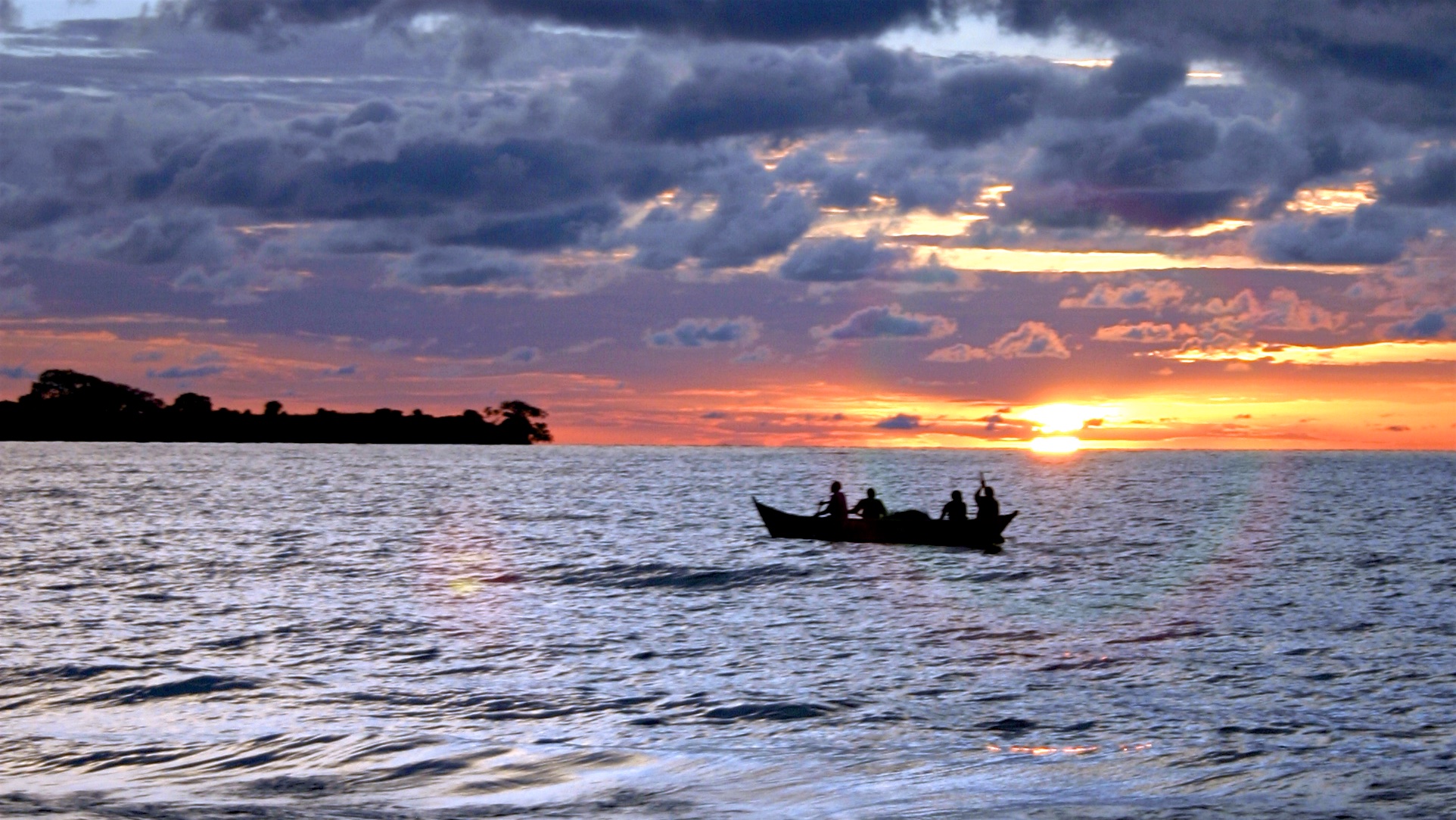
    Fishermen rowing out onto Lake Victoria at dusk near Kisumu
    Photo: Khanairobi, CC BY-SA 4.0, via Wikimedia Commons

    Kisumu Impala Sanctuary. A short walk from the city centre, with impala, zebra and hippo roaming lakeside trails, plus a small animal orphanage and a boat-launch point onto the lake – an easy half-day if a full safari isn’t on the itinerary.

    Hippo Point. A viewpoint a short drive from town, best visited early morning or at sunset, where resident hippos are regularly spotted offshore along with fish eagles and kingfishers working the shallows.

    Ndere Island National Park. A roughly 30-minute boat ride onto Lake Victoria itself, with acacia woodland, sitatunga antelope, monitor lizards and prime birdwatching – genuinely quiet, since almost no one makes the crossing.

    Kisumu Museum. One of the country’s better regional museums, with Luo homestead replicas, a snake park and exhibits on Lake Victoria’s ecosystem and fishing traditions.

    Kibuye Market. One of East Africa’s largest open-air markets, sprawling out from the city centre and busiest on Wednesdays and Sundays – textiles, produce, secondhand clothing and a genuine slice of everyday Kisumu life rather than a tourist-facing craft stall.

    Lwang’ni Beach. A row of open-air lakeside eateries near the yacht club serving grilled and fried tilapia straight from the lake – the default answer to “where should I eat in Kisumu” for most locals.

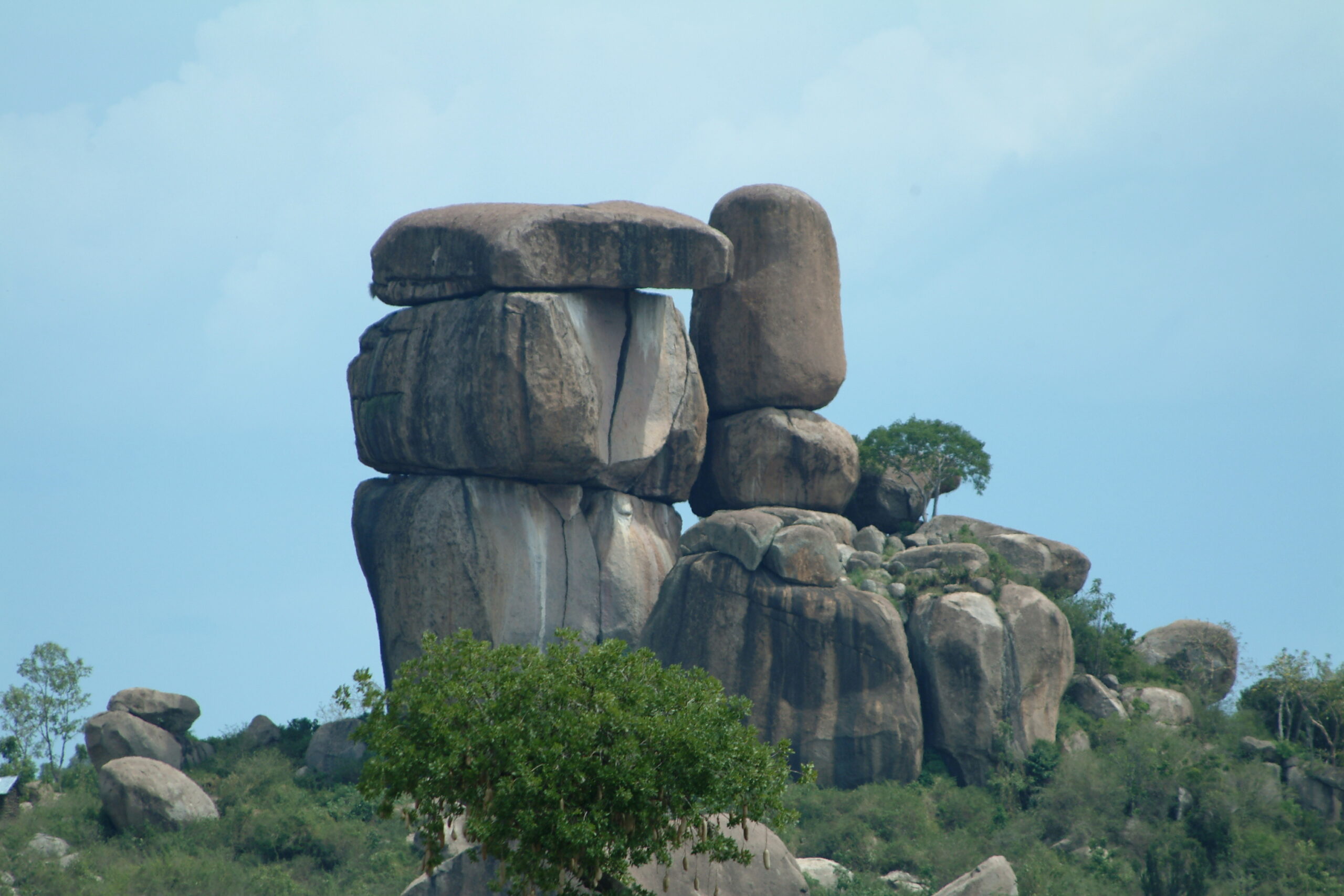
    Kit Mikayi. A striking rock formation about 30km west of the city, its columns rising some 120 metres and arranged, Luo tradition holds, like a polygamous homestead – the largest central rock is Mikayi, the first wife, flanked by the stones of the second and third wives. The name means “stone of the first wife,” and the best-known legend tells of an old man, Ngeso, so devoted to the rock that he spent his days in its caves, prompting his wife to explain his absence by saying he had “gone to his first wife.” It is still a site of worship and pilgrimage for the local Luo-Kakello clan, with caves to climb into and panoramic views over Kisumu and the lake from the top.

    Kit Mikayi rock formation near Kisumu, Kenya
    Photo: Valerius Tygart, CC BY-SA 3.0, via Wikimedia Commons

    What to eat

    Kisumu’s food scene runs on the lake: whole fried or grilled tilapia, ugali, and omena (small dried or fresh silver fish) are the local staples, best eaten at Lwang’ni Beach or Dunga Beach rather than a hotel restaurant. Kisumu is also known for a livelier nightlife than its laid-back daytime pace suggests, with lakeside bars around the yacht club filling up on weekend evenings.

    Where to stay

    Central options along or near Oginga Odinga Street put you walking distance from restaurants and the market; lakeside hotels toward Milimani or the Impala Sanctuary side trade a bit of convenience for quieter, greener surroundings and better lake views.

    A simple 2-3 day plan

    Day 1. Orient yourself downtown, visit Kisumu Museum, then head to Lwang’ni Beach for a fish dinner at sunset.

    Day 2. Morning at the Impala Sanctuary and Hippo Point, afternoon boat trip to Ndere Island if the weather’s cooperating.

    Day 3. Half-day trip out to Kit Mikayi, or extend north to Siaya for Kogelo and the Yala Swamp before flying out.

    Best time to visit

    Kisumu sits on the equator and stays warm and humid year-round. The driest, most comfortable stretches for lakeside walks and boat trips are typically June to September and January to February – similar timing to the classic safari season further east.

    Getting there

    Kisumu has its own airport with regular domestic flights from Nairobi (roughly an hour), or it’s a scenic road trip through the Rift Valley if you’re combining it with a wider Kenya itinerary.

    FAQ

    Is Kisumu safe for tourists? Yes – like any Kenyan city, use normal precautions (keep valuables secure in markets, use registered taxis at night), but Kisumu has a notably relaxed pace compared with Nairobi.

    Can I combine Kisumu with a Maasai Mara safari? Yes, though it’s a different region of the country – most visitors treat it as a separate 2-3 day add-on rather than a stop en route to the Mara.

    How many days do I need in Kisumu? Two to three days covers the city and a couple of half-day trips comfortably; add a day if you want to include Siaya or a longer Ndere Island excursion.

    Is Lake Victoria safe to swim in? Bilharzia (schistosomiasis) is present in parts of the lake, so most visitors stick to boat trips and shoreline walks rather than swimming – ask locally about any designated safe swimming spots.

    Related

  • How to Plan a US, Canada and Mexico Road Trip

    How to Plan a US, Canada and Mexico Road Trip

    Combining the US, Canada and Mexico in one road trip is genuinely possible, but crossing international borders by car takes more planning than a domestic route.

    Documentation you’ll need

    Beyond your passport and any required visa or entry authorization (like an ESTA for the US or an eTA for Canada), a cross-border road trip usually needs proof of car insurance valid in each country and, for a rental car, written permission from the rental company to cross the border — confirm this before you book.

    Rental car cross-border rules

    Not all rental companies allow their cars to cross into another country, and those that do often restrict which border crossings are permitted. Check the rental terms specifically for cross-border travel rather than assuming it’s included.

    Realistic distances

    North America is vast — a route touching all three countries in one trip usually means choosing one region to focus on (for example, the Pacific coast from Vancouver to San Diego, or the US–Mexico border region) rather than trying to cover the whole continent.

    Border crossing practicalities

    Wait times at land borders vary a lot by crossing and time of day — build buffer time into your schedule, especially for the busiest US–Mexico crossings, and have all documentation for every passenger ready before you reach the checkpoint.

    Planning your trip

    Check car rental options that explicitly allow cross-border travel, compare flights if you’d rather fly one leg, and see our North America travel guide for entry requirements by country.

    FAQ

    Can any rental car cross into Mexico or Canada? No — many rental agreements prohibit it entirely. Always confirm cross-border permission with the rental company in writing before you travel.

    Do I need a visa for all three countries? Requirements depend on your nationality — many travelers qualify for the US Visa Waiver Program (ESTA) and a Canadian eTA, while Mexico allows visa-free entry for many nationalities. Check each country’s immigration authority before booking.

    Related

  • Best Time to Visit North America’s National Parks

    Best Time to Visit North America's National Parks

    North America’s national parks each have their own peak season, shoulder season and off-season trade-offs — timing your visit right avoids both bad weather and overwhelming crowds.

    Summer (June – August): peak season

    Warmest weather and full access to high-altitude trails and roads that stay snowed-in earlier in the year, but also the busiest months at parks like Yellowstone, Banff and the Grand Canyon — expect crowded parking lots and booked-out lodges.

    Shoulder seasons (April – May, September – October)

    Generally the best balance — thinner crowds, lower accommodation rates, and comfortable daytime temperatures at lower elevations. Some high-altitude roads and trails may still be closed or newly reopened, so check individual park conditions before you go.

    Winter (November – March)

    Many parks shift toward winter activities — skiing and snowshoeing in the Rockies, for example — while some high-elevation roads close entirely. Desert parks like the Grand Canyon’s South Rim stay open and are notably less crowded than in summer.

    Booking around peak season

    Popular parks often require lodging and even entry reservations booked months ahead for summer visits. If your dates are flexible, shoulder season significantly improves your odds of last-minute availability.

    Planning your trip

    Once you’ve picked your season, compare flights to your gateway city, check car rental options for the drive between parks, and see our North America travel guide for more planning tips.

    FAQ

    Do I need to book park entry in advance? Several popular US national parks now require timed-entry reservations during peak season — check the specific park’s official site before you travel.

    Is shoulder season risky for closures? Some higher-elevation roads and trails may still be closed in spring or newly closed in autumn — check current conditions for your specific park before finalizing plans.

    Related

  • Best Time to Visit Asia by Region

    Best Time to Visit Asia by Region

    Asia is too large and climatically varied for one blanket answer to “when should I go” — the right time depends heavily on which part of the continent you’re visiting.

    Southeast Asia: November – March

    This window avoids monsoon season across most of Thailand, Vietnam, Cambodia and Indonesia, with dry, sunny conditions. April and May run hot and humid before the rains return around June.

    Japan and South Korea: spring and autumn

    Late March to May brings cherry blossom season and comfortable temperatures; September to November offers autumn foliage with similarly mild weather. Summer is hot and humid, and winter is cold but good for skiing in northern regions.

    China: spring and autumn

    April–May and September–October avoid both summer heat and winter cold across most of the country, though China’s size means climate varies significantly between the north and south.

    Combining regions in one trip

    If your itinerary spans, say, Japan and Southeast Asia, look for the overlap — spring and autumn tend to work reasonably well for both, whereas peak summer is uncomfortable in the tropics and peak winter is cold in East Asia.

    Planning your trip

    Once you’ve picked your season, compare flights into your first destination, check our Asia travel guide for attraction and hotel ideas, and see our guide to planning a multi-country Southeast Asia trip if you’re combining stops.

    FAQ

    Is there ever a bad time to visit all of Asia at once? Not exactly, but each sub-region has its own weather pattern, so check the specific countries on your itinerary rather than treating “Asia” as one climate.

    When should I avoid Southeast Asia? Monsoon season (roughly June–October in much of the region) brings heavy rain and higher humidity, though it varies by country and isn’t a reason to rule out travel entirely.

    Related

  • How to Plan a Multi-Country Southeast Asia Trip

    How to Plan a Multi-Country Southeast Asia Trip

    Southeast Asia is one of the easiest regions in the world to combine several countries in one trip — but the logistics work differently than a Europe-style rail hop.

    Choosing your route

    Overland travel is common and cheap between neighboring countries (Thailand, Laos, Cambodia and Vietnam connect well by bus and train), but crossing by land takes time. For a shorter trip, budget regional flights between hub cities are often faster and not much more expensive.

    How many countries is too many?

    For a two- to three-week trip, two or three countries is realistic without feeling rushed. Border crossings, visa processing and travel days all eat into your time — build in buffer days rather than packing the itinerary end to end.

    Visas across multiple countries

    Requirements vary a lot by nationality and by country — some offer visa-free entry or visa-on-arrival, others require an e-visa arranged in advance. If your route crosses several countries, check each one individually well before you travel, since processing times differ.

    Money and connectivity

    Each country uses its own currency, so budget for ATM withdrawals in each stop rather than trying to carry one currency across borders. Setting up an eSIM before you fly is the simplest way to stay connected as you cross into each new country.

    Planning your trip

    Once you’ve mapped your route, compare flights into your first stop, check our Asia travel guide for what to see in each country, and make sure you’re covered with travel insurance for the whole trip.

    FAQ

    Is it cheaper to cross borders by land or fly? Land travel is usually cheaper but slower; regional budget flights can cost only a little more and save a full day of travel on longer hops.

    Do I need a different SIM in each country? Not necessarily — some eSIM plans cover multiple Southeast Asian countries on one plan, which is worth checking before you buy separate local SIMs.

    Related

  • Planning a Multi-Country Europe Trip by Rail

    Planning a Multi-Country Europe Trip by Rail

    Europe’s rail network makes multi-country trips genuinely easy — but a good rail itinerary takes a bit more planning than booking flights city to city.

    Rail pass vs point-to-point tickets

    A multi-country rail pass can be worthwhile if you’re covering a lot of ground with several long journeys, since it bundles travel into one purchase. For a shorter trip with just two or three stops, individual point-to-point tickets booked in advance are often cheaper — compare both before committing.

    Don’t overpack your itinerary

    The biggest planning mistake is trying to see too many cities. Factor in that a train journey between major hubs can easily take half a day, and build in at least two nights per stop so travel time doesn’t eat your whole trip.

    Overnight trains vs flying

    Overnight trains save a hotel night and put you in the next city by morning, which works well for longer hops. For very long distances, a short regional flight can still be faster and, at times, similarly priced — compare both options for each leg.

    Booking considerations

    High-speed routes between major cities (like Paris–London or Rome–Milan) sell out on popular dates, so book those legs early. Regional and slower routes are usually fine to book closer to travel. Reserve seats where required — some rail passes still need a separate seat reservation.

    Planning your trip

    Once you’ve mapped your route, compare flights into your starting city, check our Europe travel guide for what to see in each stop, and make sure you’re covered with travel insurance for the whole trip.

    FAQ

    Is a rail pass cheaper than flying between cities? It depends on the route and how far in advance you book flights — budget airlines can undercut rail on some routes, so it’s worth comparing both for your specific itinerary.

    Do I need to book seats in advance? On high-speed and popular routes, yes — seat reservations are often required even with a rail pass, and trains can sell out on peak dates.

    Related

  • Best Time to Visit Europe: A Season-by-Season Guide

    Best Time to Visit Europe: A Season-by-Season Guide

    Europe rewards different travelers at different times of year — the right season depends on whether you want beach weather, empty museums, or Christmas markets.

    June – August: peak summer

    Warm weather across the continent, the Mediterranean coast at its best, and the longest daylight hours for sightseeing. It’s also the most crowded and expensive window, with major cities and coastal towns booked out well in advance.

    April – May and September – October: shoulder season

    Widely considered the sweet spot. Comfortable temperatures, thinner crowds at major sights, and lower hotel rates than peak summer, while still enough daylight and open attractions to sightsee comfortably.

    November – December: Christmas markets

    Germany, Austria and Central Europe come alive with Christmas markets from late November. Cold weather, but a distinct atmosphere — book accommodation early since market season draws steady crowds despite the chill.

    January – March: low season and ski season

    The cheapest window for cities, with fewer tourists and better rates, though shorter days and colder weather in the north. This is also peak season for the Alps, where ski resorts run at capacity through February.

    Planning your trip

    Once you’ve picked your season, compare flights into your first European city, check our Europe travel guide for attraction and hotel ideas, and make sure you’re covered with travel insurance before you go.

    FAQ

    Is summer worth the crowds? If your destinations are coastal or beach-focused, yes — but for city-heavy itineraries, shoulder season usually offers a better balance of weather and crowd levels.

    Do prices really drop in winter? Generally yes for flights and city hotels, though Alpine ski destinations are a notable exception and can be priced at a premium through peak ski season.

    Related

  • Travel Tech for Africa: What to Set Up Before You Fly

    Travel Tech for Africa: What to Set Up Before You Fly

    Booking travel across Africa has changed fast – fewer phone calls to agents, more done from a phone screen before you ever reach the airport.

    Comparison search over single-site booking

    Rather than checking one airline or hotel site at a time, comparison tools pull live fares and rates from multiple providers at once – our own flight and hotel search work this way, saving the manual back-and-forth.

    eSIMs replacing airport SIM kiosks

    Installing a data plan via QR code before departure – covered in our eSIM guide – has largely replaced queuing for a physical SIM card on arrival.

    Flight tracking as standard

    Airport transfer providers increasingly track your flight automatically and adjust pick-up time for delays, removing a once-common source of stress for arriving travelers.

    Mobile payments and ride-hailing

    Mobile money and ride-hailing apps now operate widely across major African cities, reducing reliance on cash and unmetered taxis – worth setting up before you travel where possible.

    What to set up before you fly

    • Download ride-hailing and maps apps for your destination city.
    • Buy your eSIM and confirm it activates on arrival.
    • Save digital copies of your insurance policy and key documents.

    FAQ

    Do I still need any cash? Yes – keep some local currency for small vendors, tips, and places mobile payment hasn’t reached yet, especially outside major cities.

    Is mobile connectivity reliable in safari areas? Generally strong in towns and cities; remote camps rely more on lodge wifi than mobile signal – plan accordingly.

    Related

  • Family Safari Guide: Africa With Young Children

    Family Safari Guide: Africa With Young Children

    A safari with kids sounds daunting to some parents – in practice, several African destinations are genuinely built for family travel, with lodges that plan around children rather than around adults only.

    Pick a family-friendly camp

    Look for lodges with a minimum-age policy of 6 or under (many upmarket camps set 12+ for game drives), kids’ activity programs, and family-sized tents or villas rather than standard doubles.

    Where it works well

    • South Africa’s malaria-free reserves (like Madikwe or parts of Eastern Cape) – no anti-malarial medication needed for young children.
    • Zanzibar – pairs a beach stay with a short safari extension, easing the pace for younger kids.
    • Kenya’s private conservancies – many offer junior ranger programs and shorter, kid-paced game drives.

    Practical planning

    Malaria risk varies significantly by region – malaria-free reserves remove one major worry for families with young children. Confirm your travel insurance covers the whole family and includes medical evacuation, standard for safari areas regardless of age.

    Getting there comfortably

    Book flights with realistic connection times for tired kids, and pre-book an airport transfer so you’re not managing luggage and car seats in an unfamiliar taxi queue after a long flight.

    FAQ

    What’s the minimum age for most safari camps? It varies widely – some family-focused camps welcome any age, while traditional camps often set a 6 or 12+ minimum for game drives.

    Is a malaria-free option always available? Not everywhere – South Africa has several malaria-free reserves, but Kenya and Tanzania’s classic safari areas are malaria zones, so consult a travel health provider.

    Related