Kiambu County Travel Guide: Waterfalls, Tea Highlands and Nairobi’s Green Escape

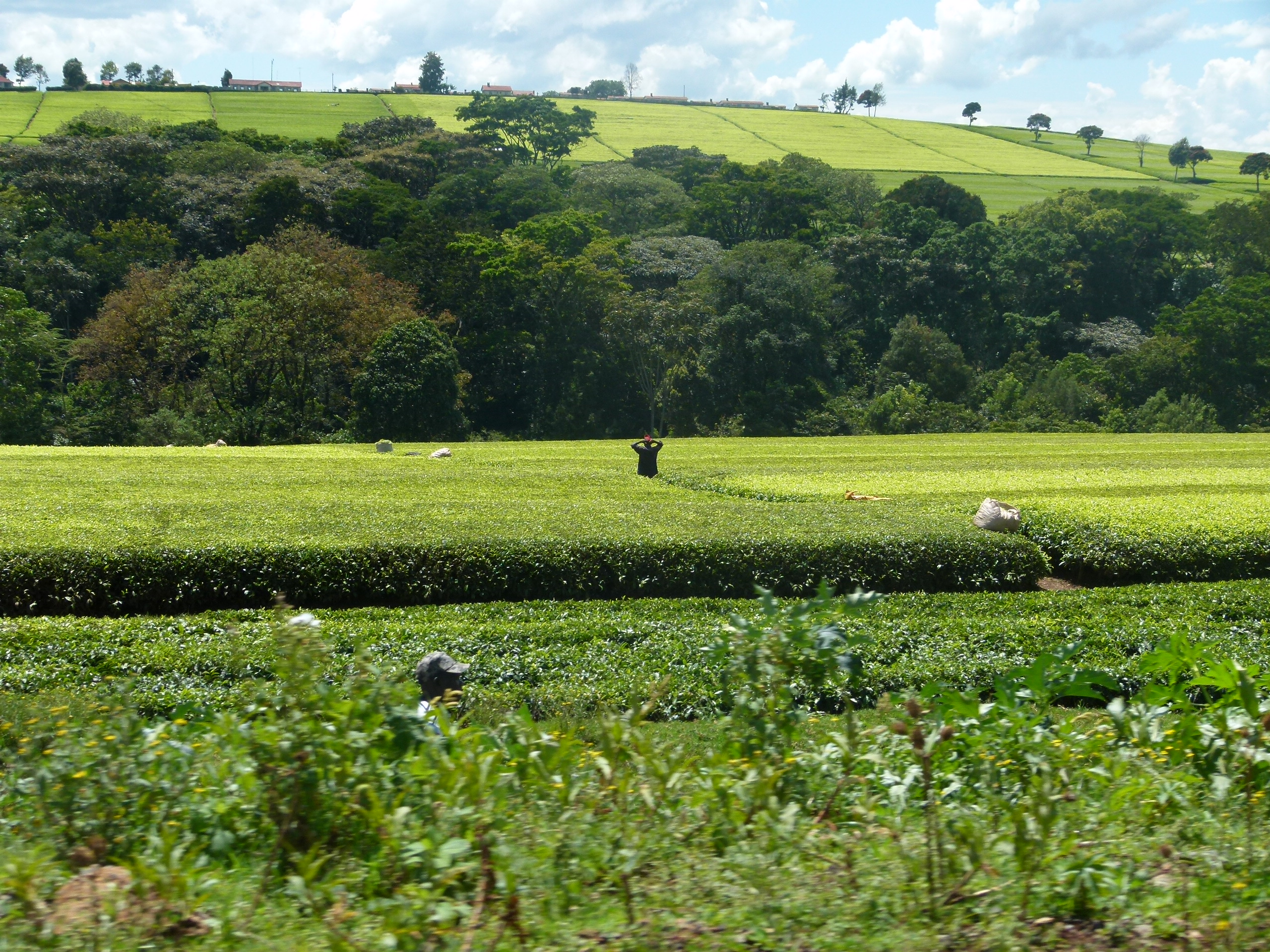
Tea plantations in the Kericho-Bomet tea country, South Rift, Kenya
Kenya

Kiambu County Travel Guide: Waterfalls, Tea Highlands and Nairobi’s Green Escape

Kiambu County wraps around Nairobi’s northern edge – a short drive into waterfalls, tea-country hiking and forest that most Kenya itineraries skip entirely on the way to somewhere else.

Tea-growing highlands typical of the Limuru and Tigoni areas of Kiambu County, Kenya
Why visit

Why visit Kiambu

Kiambu wraps around Nairobi’s northern edge, and most visitors to Kenya drive through it without ever stopping – which is exactly why it’s worth a detour. Within an hour of the city you get waterfalls, tea-country hiking, forest canopy walks and a genuine highland climate, all without the flight time or safari-park entrance fees of a Mara trip. It’s less a single destination than a collection of easy day trips: pick a waterfall, a forest, or a tea-country hike and you can be back in Nairobi for dinner.

Heritage

Geography and a little history

Kiambu is Kikuyu heartland, and the county’s cool, fertile highlands made it one of the areas most heavily settled during British colonial rule, when it was carved into large European-owned coffee and tea estates as part of the so-called “White Highlands.” That colonial agricultural footprint is still visible today in the tea plantations around Tigoni and Limuru and the coffee and pineapple estates around Thika – Kiambu town itself, the county headquarters, grew up around the old colonial law courts. The Kikuyu Escarpment, part of the Rift Valley’s eastern wall, runs through the county and is visible from several points, giving even short drives real elevation and views.

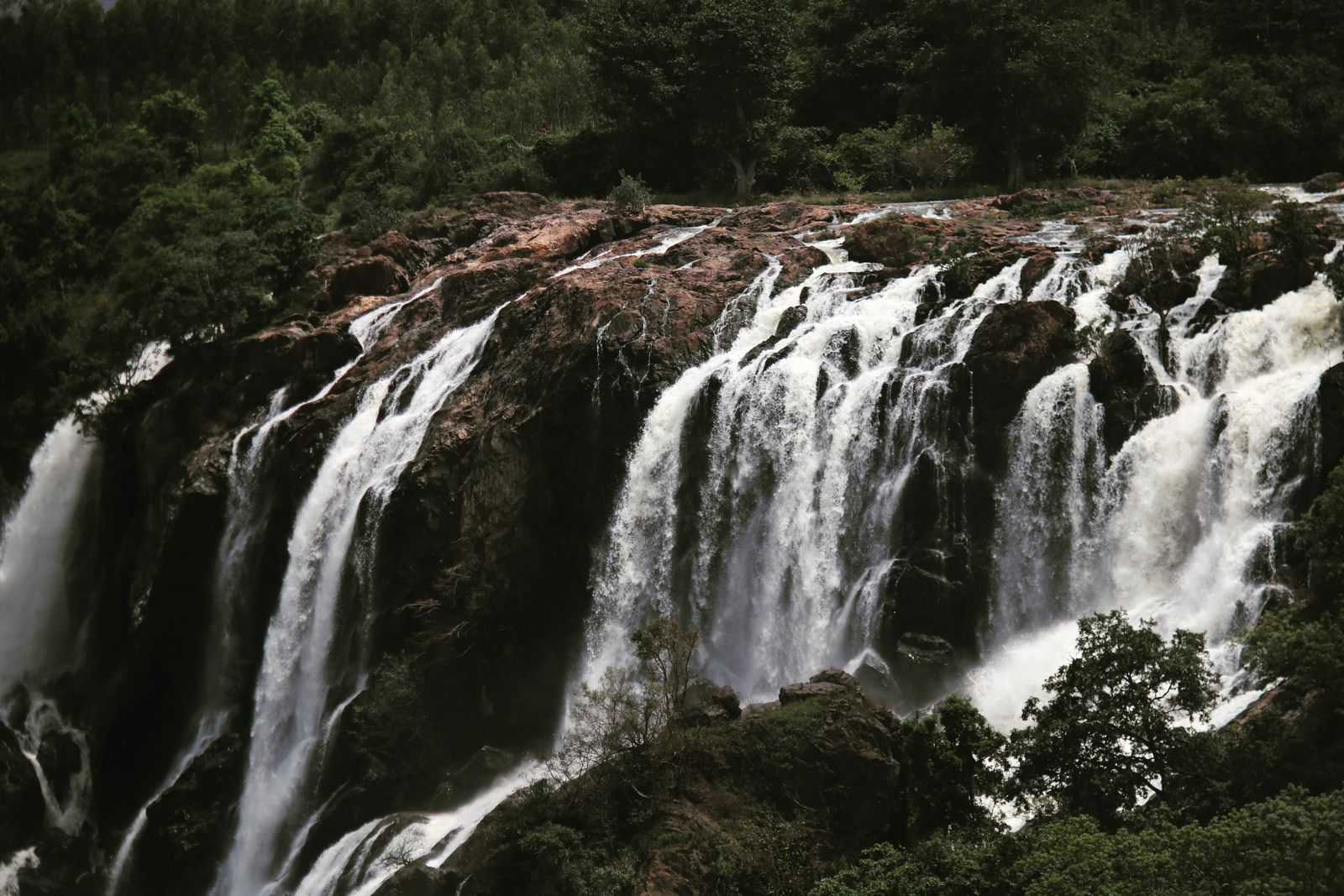
A forest waterfall cascading over rocks, similar in character to Kiambu's Fourteen Falls and Chania Falls
Waterfall

Fourteen Falls

Kiambu’s best-known natural landmark sits on the Athi River near Thika: fourteen distinct cascades tumbling over a roughly 27-metre drop, close enough to Ol Donyo Sabuk that the two are often paired into one day trip. Local boatmen offer short rides out toward the base of the falls, and it’s a reliable birdwatching spot – go with a guide, since the site is informally run and the current is genuinely strong. It works well as the lighter, cool-down half of a day that starts with the Kilimambogo hike below.
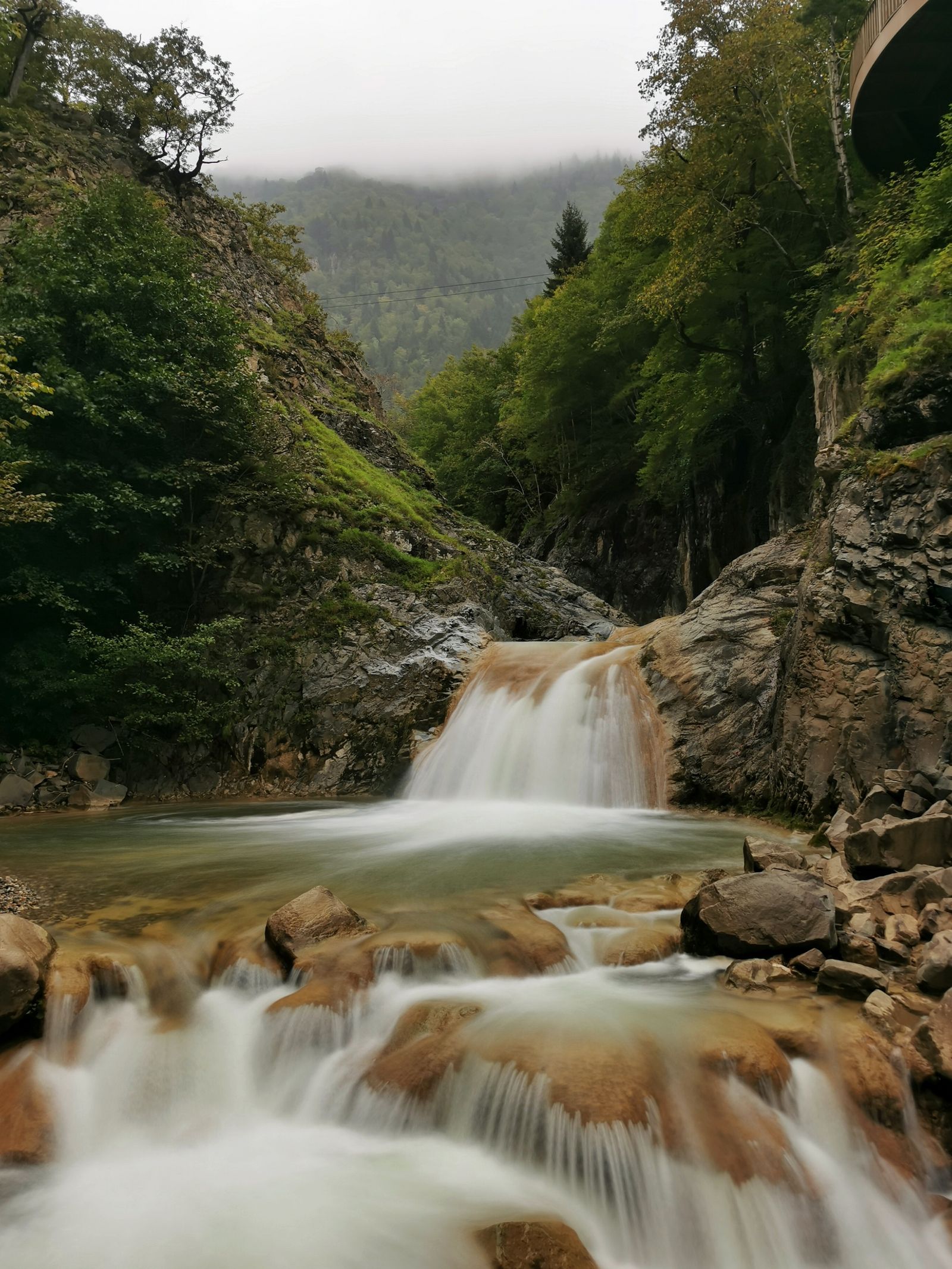
Waterfall & hospitality

Chania Falls and the Blue Post Hotel

A gentler, greener waterfall right in Thika town, on the grounds of the Blue Post Hotel – and the hotel itself is as much the story here as the falls. It was built by a Captain Ward at the confluence of the Chania and Thika rivers, and it’s the same hotel Elspeth Huxley wrote about in her memoir The Flame Trees of Thika: in 1913, a young Huxley travelled here by ox-cart from Nairobi’s Norfolk Hotel with her mother, a two-day journey to meet her father, who was building a farmhouse nearby. A short nature-trail walk through the hotel’s gardens follows the river to the falls themselves – also a good birding spot, with African finfoot recorded here.

Lush green indigenous forest, the kind of canopy found at Karura and Kereita forests in Kiambu
Urban forest

Karura Forest

Technically Nairobi’s largest urban forest, but it physically extends into Kiambu and is easiest to reach via the Kiambu Road entrances. Inside: a 15-metre waterfall, Mau Mau-era caves, a bamboo grove and over 50 km of trails – one of the more unusual \”urban forest\” experiences anywhere, with colobus monkeys, bushbuck and over 200 recorded bird species.

The forest has also been a live conservation story: in August 2025 the Kenya Forest Service moved entry-fee collection onto the government eCitizen platform and removed Friends of Karura, the community group that had co-managed and restored the forest since 2009, from day-to-day management – a dispute the organisation has challenged in court. Worth knowing if you are visiting: gate operations and fees can shift while that plays out, so it is worth checking current entry arrangements before you go.

Adventure

Kereita Forest

West of Limuru in Lari, Kereita is a KENVO-managed indigenous forest that pairs quiet hiking and birdwatching with something Kiambu’s other forests don’t offer: a zipline through the canopy. It’s a good alternative to Karura on a day when you want fewer crowds, with trails through genuine highland forest rather than the more manicured feel of some of the county’s other green spaces.

Highland tea plantation, the same landscape as Kiambu's Tigoni and Limuru tea country
Tea heritage

Kiambethu Tea Farm

In Tigoni, at about 2,200 metres, Kiambethu is where Kenya’s tea industry effectively began: A.B. McDonell bought and planted the farm in 1910 and became the first person to grow, make and sell tea commercially in the country – an industry now among Kenya’s biggest exports. Five generations later, his granddaughter Fiona Vernon still runs it, and the standard visit follows the same rhythm it always has: tea or coffee on the verandah while the farm’s history and tea-making process are explained, a walk through the surrounding indigenous forest to spot colobus monkeys, then a home-cooked lunch with views across the tea fields to the Ngong Hills. It’s less a sightseeing stop than a half-day spent inside a working piece of Kenyan agricultural history.

Family day trip

Paradise Lost

A recreational park in Kiambaa built around natural springs, combining caves, forest trails, a small waterfall and boating on a dam – popular as a family weekend escape without leaving the county, and a good lower-key alternative to Karura on a busy day.

Mountain

Ol Donyo Sabuk (Kilimambogo)

On Kiambu’s eastern edge near Juja, Ol Donyo Sabuk is a solitary 2,145-metre mountain rising out of the plains – called Kilima Mbogo (“mountain of the buffalo”) by the local Kamba community, and simply “the big mountain” by the Maasai. The roughly 20 km2 park was once the farm of William Macmillan, an American settler who arrived in Kenya in 1901 and, on different occasions, hosted the explorer and former US president Theodore Roosevelt and British Prime Minister Winston Churchill; Macmillan is buried on the mountain itself. It also has a quieter, more local claim to history: Tom Mboya, the independence-era politician, was born here while his father worked as a labourer on Macmillan’s sisal farm.

Buffalo still roam the lower slopes – which is why KWS requires hikers to be accompanied by a ranger – alongside monkeys and antelope, with giant lobelia among the vegetation usually associated with the Afro-alpine zones of Mount Kenya. See the hiking section below for the summit route itself.

Hiking trails

The best hiking trails in Kiambu

Brackenhurst tea and forest walk, Tigoni. An easy, scenic hike through working tea fields on the Brackenhurst estate, with the option to continue into the property’s restored indigenous forest – one of the more accessible half-day walks in the county, and popular with weekend visitors from Nairobi.

Kereita Forest, Kimende (Lari sub-county). Managed by the Kijabe Environment Volunteers (KENVO), Kereita has marked forest trails, a waterfall and over 200 recorded bird species – genuinely unexploited compared to Nairobi’s forests. It’s also home to one of Kenya’s longer canopy ziplines for those who want the forest from above rather than on foot.

Gatamaiyu Forest, Lari sub-county. A quieter forest reserve with fishing (it holds a trout stream), birdwatching and hiking trails through indigenous woodland – a good pick if you want forest without any crowds at all.

Ol Donyo Sabuk summit hike, Juja. A steeper, half-day climb to the top of Kilimambogo through montane forest, rewarded with panoramic views over the Athi Plains and, on a clear day, out toward Nairobi and Thika.

Karura Forest trails. Flatter and far more manicured than the others, Karura’s network of paths (accessible from the Kiambu Road gates) suits an easy morning walk or run rather than a serious hike, but the waterfall and cave trail is a genuinely rewarding couple of hours.

Hospitality

Where to stay: Kiambu’s hospitality

Kiambu isn’t set up around big resort hotels – its hospitality leans toward country retreats, tea-estate lodges and boutique homestays, which fits the slower, green character of the place.

Brackenhurst Hotel and Conference Centre, Tigoni. An eco-focused retreat built around one hundred forested acres and a two-decades-long indigenous reforestation project, roughly 20 km northwest of Nairobi – as much a conservation site as a place to stay.

Blue Post Hotel, Thika. One of Kenya’s oldest hotels, made famous by Elspeth Huxley’s memoir “The Flame Trees of Thika.” It sits right on the grounds where the Chania and Thika rivers meet, so Chania Falls is a short walk from your room.

Tigoni’s tea-country homestays. The Limuru-Tigoni area has a growing cluster of small guesthouses and Airbnbs set among tea fields and old colonial-era gardens, usually with home-cooked meals included.

For anything more, search hotels to compare current options and availability directly.

County guide

Kiambu’s sub-counties at a glance

Kiambu County is split into 12 sub-counties, and knowing roughly what each is known for makes it easier to plan a route rather than just chasing individual attractions.

  • Limuru & Lari (Tigoni). The tea-country heart of the county – Kiambethu Tea Farm, Brackenhurst, Kereita Forest and most of the hospitality covered above.
  • Kiambu. The county headquarters and its namesake town, with the old colonial-era law courts still standing.
  • Kiambaa. Home to Paradise Lost and its caves, forest trails and boating dam.
  • Thika Town & Ruiru. Chania Falls, the Blue Post Hotel, and the historic Del Monte pineapple estates that once anchored the town’s colonial-era economy.
  • Juja. Ol Donyo Sabuk National Park and Jomo Kenyatta University of Agriculture and Technology.
  • Gatundu South & North. Quieter, rural sub-counties known locally for the Kenyatta family’s mausoleum, a site of domestic significance rather than a tourist draw.
  • Githunguri. Dairy-farming country and home to the Githunguri Tea Factory, one of the smaller processing hubs feeding Kenya’s tea export trade.
  • Kikuyu & Kabete. The county’s southern edge, blending into Nairobi’s western suburbs.
Also worth a look

More places to see in Kiambu County

Beyond the headline waterfalls and forests, a handful of smaller sites round out a longer visit:

Sagret Gardens. A cascading, multi-level flower garden popular for photography and a gentler counterpart to the county’s forest hikes.

Ragia Falls. A lesser-known waterfall with river crossings, cliff jumps and short hikes offered by local guides – livelier and more adventure-sport in character than Fourteen Falls or Chania Falls, and best arranged with a guide given the activities on offer.

Evergreen Park. A family-oriented recreational park, a straightforward add-on if you’re already in the area with children.

Migaa Golf Estate. An 18-hole course within a residential estate near Kiambu town, open to visiting golfers as well as residents.

Itinerary

A simple 1-2 day plan

Day 1. Morning at Karura Forest – walk the waterfall and caves trail from the Limuru Road gate – then drive out to Tigoni for lunch and a tea-estate walk at Brackenhurst, overnighting there or at a nearby homestay.

Day 2. Head to Thika for Chania Falls and the Blue Post Hotel gardens, then on to Fourteen Falls on the Athi River before heading back to Nairobi – or continue onward toward central Kenya if you’re extending the trip.

When to go

Best time to visit

Kiambu follows Kenya’s usual highland pattern: the long rains fall roughly March to May and the short rains October to November, so the driest, clearest hiking and waterfall weather runs from June to September and again from January to February. The county sits higher and cooler than Nairobi’s CBD, so pack a light jacket even in the warmer months – mornings in Tigoni and Limuru can be genuinely chilly.

Getting there

Getting there and around

Kiambu is Nairobi’s next-door neighbour rather than a separate trip: Kiambu town is about 30-45 minutes from the city centre, Thika around an hour via the Thika Superhighway, and Tigoni/Limuru roughly 40 minutes on the Nairobi-Nakuru highway. Most sites here work well as a self-drive or hired-car day trip from Nairobi rather than requiring an overnight stay, though the tea-country lodges make a pleasant reason to stay longer. Compare car rentals if you’re planning to explore independently.

Good to know

Frequently asked questions

Yes – it’s one of the few genuine day-trip options from the city. Karura Forest alone is under 30 minutes from central Nairobi and covers forest, a waterfall and caves in a single morning.
You don’t need to arrange one in advance, but local guides operate on-site and are worth using – the current is strong and the paths to the base of the falls are steep and can be slippery.
Yes, informally – Kiambu’s tea country and Ol Donyo Sabuk sit on routes heading toward central Kenya and the Aberdares, so it works well as a first or last day either side of a longer safari itinerary.
Tea farming and its cool highland climate, Karura Forest’s reach into the county, and being the closest thing Nairobi has to a green, waterfall-and-forest backyard – most Kenyans associate Kiambu with tea estates and weekend day trips rather than big-name tourist sites.
Both charge a small entry fee at the gate, payable in Kenyan shillings, with separate (higher) rates typically applied for non-residents – exact amounts change from time to time, so it’s worth checking current rates at the gate rather than relying on older listings.
Yes – KWS requires hikers to be accompanied by a ranger, since buffalo still live on the lower slopes of the mountain. It’s arranged at the park gate rather than booked in advance.
A full half-day visit – tea on the verandah, a guided walk through the indigenous forest to see colobus monkeys, and a home-cooked lunch included, rather than a quick tasting stop.

Ready to plan your trip?

Compare flights and hotels in one search.

Comments

Leave a Reply

Your email address will not be published. Required fields are marked *