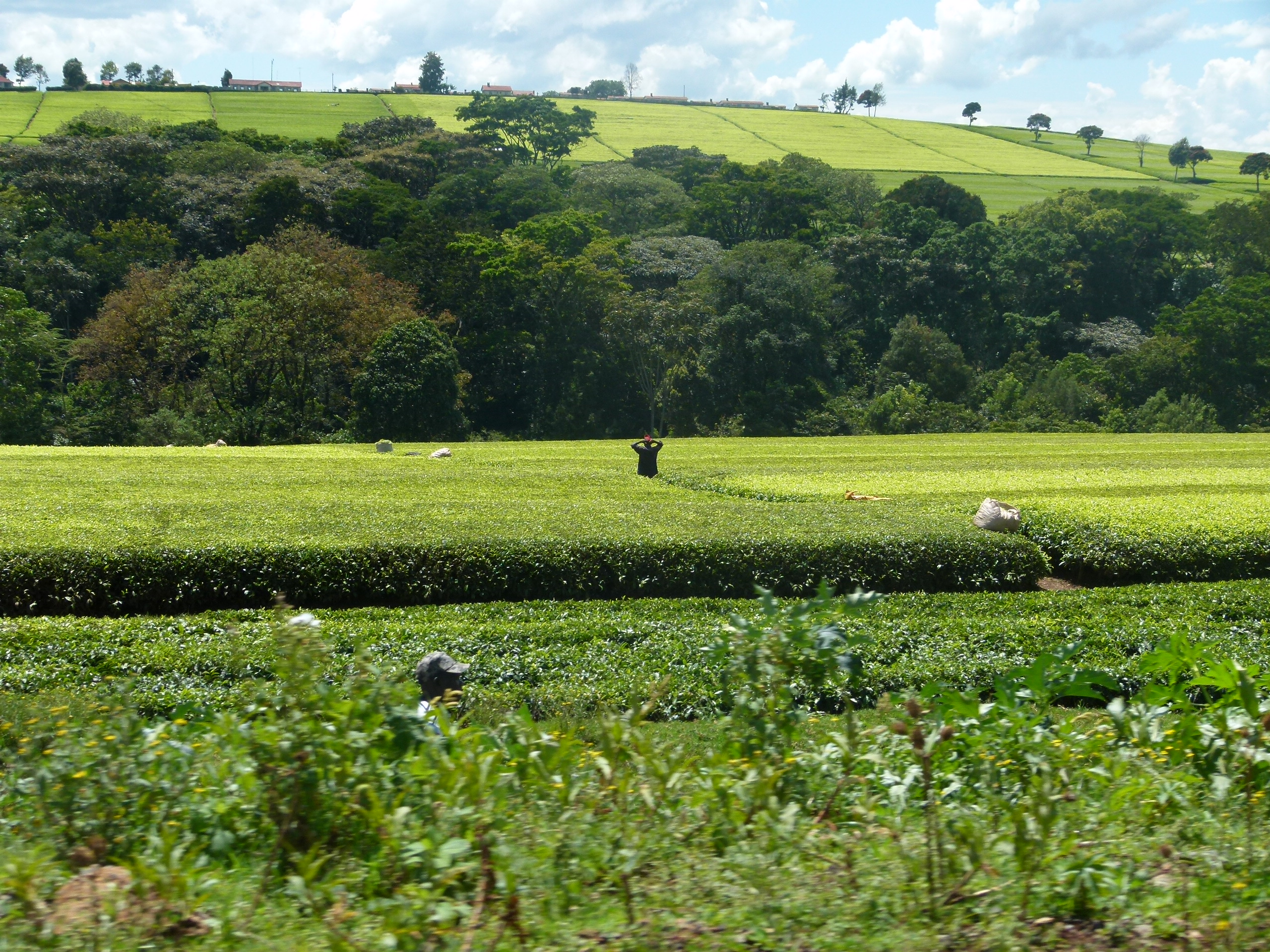
Bomet County sits in Kenya’s South Rift, wedged between the Mau Forest complex and the Maasai Mara – a green, hilly stretch of tea country that most safari itineraries drive straight through on the way to the Mara without stopping.
Why visit Bomet
Bomet is Kipsigis heartland, and its rolling tea plantations run into neighbouring Kericho County to form one of Kenya’s most photogenic agricultural landscapes. It borders the Mau Forest Complex – the largest closed-canopy indigenous forest in Kenya and a key water catchment for Lake Victoria and the White Nile – so the county doubles as a gateway to forest walks and birding as well as tea-country scenery.
A little history and culture
Commercial tea arrived in the Kericho-Bomet highlands under British colonial estates in the early 1900s, drawn by the cool climate and reliable rainfall of the Mau escarpment – the same conditions that make the region so green today. The Kipsigis, a Kalenjin-speaking community and Kenya’s largest Kalenjin subgroup, are the majority in Bomet, with a strong pastoral and now smallholder-farming tradition; mursik, a fermented milk stored in a smoked gourd, is a Kalenjin staple worth trying if it’s offered at a homestay or farm visit.
The Kipsigis age-set system
Kipsigis society, like other Kalenjin groups, has traditionally been organised around ipinda – a cyclical age-set system that grouped people initiated in the same period into named generations (Maina, Nyongi, Chumiot, Saweiyiek, Korongoro, Kipkoimet, Kaplelach and Kipnyiige, repeating roughly every century). Initiation, tumdo, marked the passage from childhood into a named age-set with its own responsibilities, and the system shaped everything from warriorhood and land rights to who could marry whom. It’s a less visible layer of Bomet’s culture than the tea estates, but it’s the social architecture underneath the farmland – and a good local guide or homestay host can explain how much of it still shapes community life today, even as the warrior age-grades of the past have given way to schooling, farming and, for a striking number of Kipsigis, world-class distance running.
Things to do
Tea plantation visits. Kenya has launched dedicated tea tourism around Bomet and neighbouring Kericho, with working estates opening up to visitors for tours and tastings among the tea bushes – a good half-day that also explains how the leaves in your morning cup actually get picked and processed.
Chepalungu Forest. A lesser-known forest reserve with walking trails and strong birdlife – a quiet contrast to the county’s farmland, and one of the more accessible patches of indigenous forest in the South Rift.
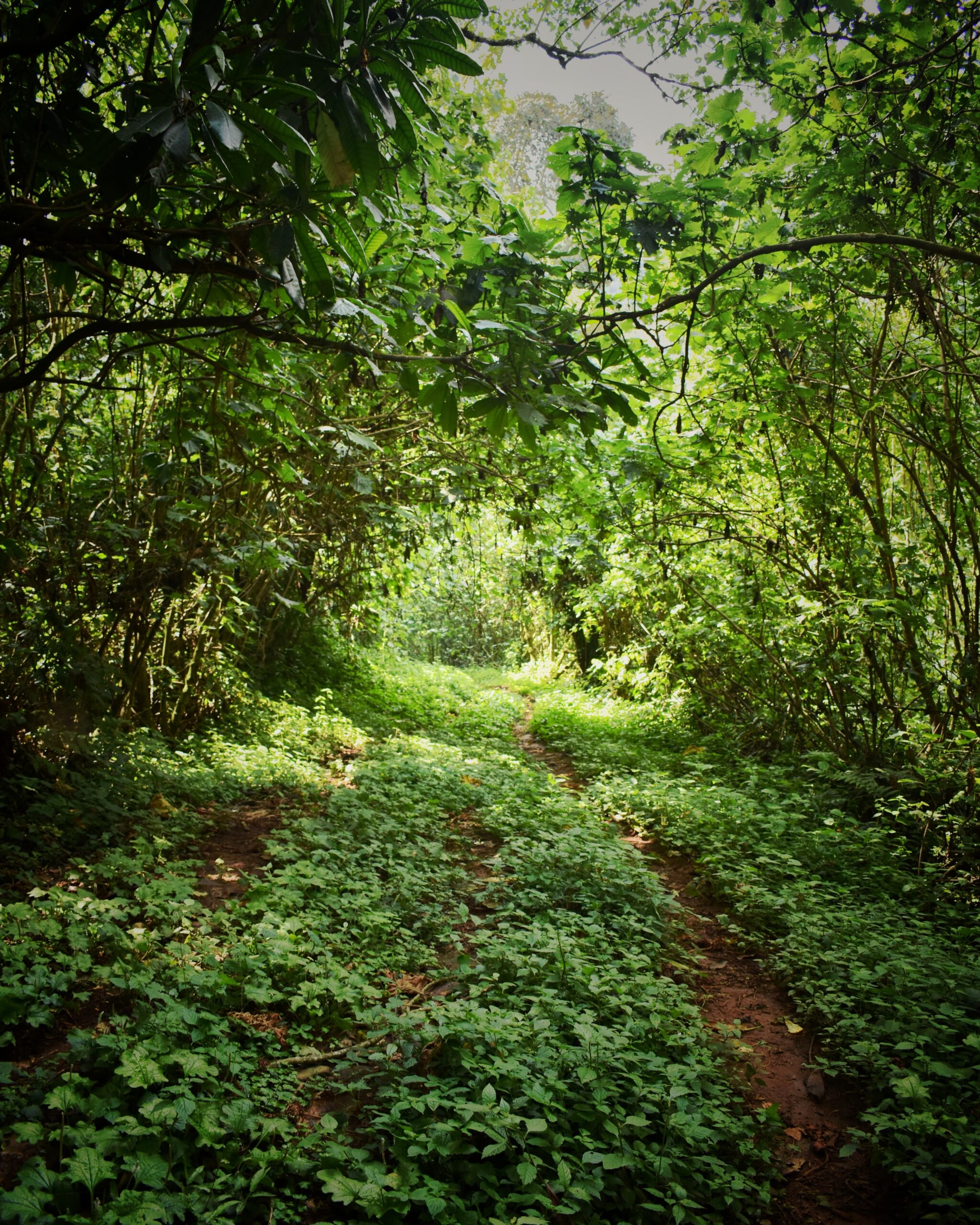
Tenwek Falls. A waterfall stop near Tenwek Hospital, a well-known mission hospital that has anchored the area for decades – an easy add-on if you’re passing through the south of the county.
South Western Mau Forest. Part of the wider Mau Forest Complex, offering forest access and river valleys without the crowds of a national park.
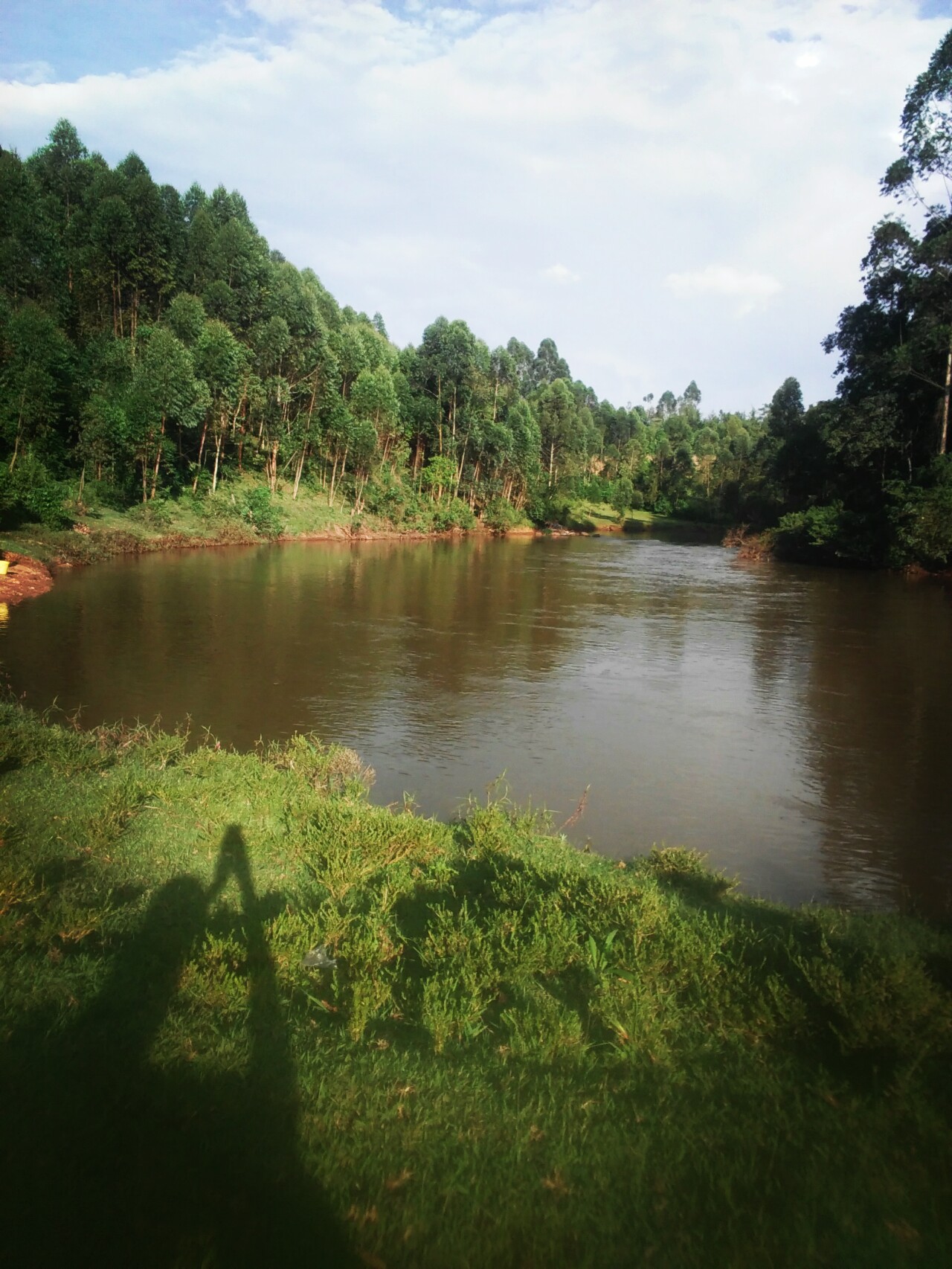
Onward to the Maasai Mara. Bomet borders Narok County and sits on one of the routes into the Maasai Mara, making it a natural overnight stop for travellers driving in from western Kenya rather than flying into the reserve.
A simple 1-2 day plan
Day 1. Morning tea estate tour and tasting, afternoon drive out to Chepalungu Forest or a stretch of the South Western Mau for a walk, overnight in Bomet or Kericho town.
Day 2. Stop at Tenwek Falls on the way south, then continue the drive into the Mara or back toward Kisumu, depending on your route.
Best time to visit
Rainfall is fairly evenly distributed through the year in Bomet, with January and February the driest stretch – useful to know since it’s also tea country, and the plantations stay green regardless of season.
Getting there and around
Bomet is roughly a 3-hour drive from Nairobi via the Narok-Bomet-Kisii road (B3), making it realistic as a stop on a road-trip itinerary through the Rift Valley rather than a flight destination on its own. There’s no scheduled passenger airport serving Bomet directly, so a self-drive or hired vehicle is the practical way to see the county at your own pace.
FAQ
Is Bomet part of a typical Maasai Mara safari? Not usually by air, but if you’re self-driving or on a road-based safari from Nairobi, Bomet’s tea estates make a scenic overnight stop en route.
What’s the difference between Bomet and Kericho? They’re neighbouring counties that share the same tea-growing highlands – Kericho town is the more established tourism base, Bomet is quieter and less developed for visitors.
Do I need a guide for the tea estates? Most working estates that welcome visitors run their own guided tours as part of the visit, so you don’t need to arrange one separately – just confirm ahead, since not every estate is open to the public.
Related
- Maasai Mara Travel Guide — the reserve Bomet borders
- Kenya Travel Guide — plan the wider trip
- Kisumu Travel Guide — the region’s lakeside hub
- Compare car rentals — for a South Rift road trip