Category: Kenya Safari Parks

  • Amboseli vs Maasai Mara: Which Kenya Safari Park Should You Choose

    Amboseli vs Maasai Mara: Which Kenya Safari Park Should You Choose

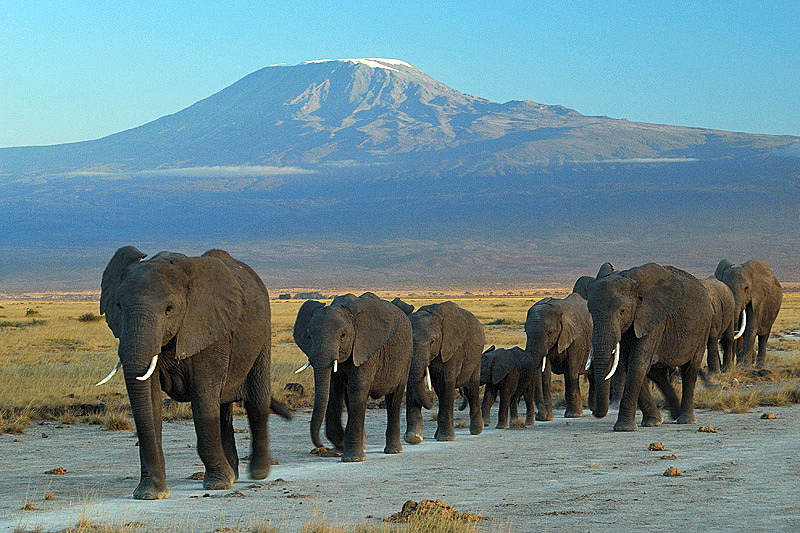
    Elephants at Amboseli National Park with Mount Kilimanjaro in the background, Kenya
    Photo: Amoghavarsha JS, CC BY-SA 3.0, via Wikimedia Commons

    Most first-time safari travelers narrow their Kenya trip down to these two parks, then get stuck choosing between them. They reward different things — the Mara is about volume and predator drama, Amboseli is about elephants and a single unbeatable backdrop.

    The core difference

    The Maasai Mara has the highest density and diversity of wildlife in Kenya, plus the Great Migration for part of the year. Amboseli has smaller overall game numbers but is built around two things the Mara can’t offer: large, easily observed elephant herds, and open views of Mount Kilimanjaro across the Tanzanian border on clear mornings.

    Pick the Mara if…

    You want the widest range of species in the fewest days, you’re visiting July through October and want a shot at a river crossing, or this is a one-park trip and you want the classic, highest-density safari experience.

    Pick Amboseli if…

    Photography is a priority — elephant herds against Kilimanjaro is one of Africa’s most recognizable shots — you want a shorter drive from Nairobi (around four hours by road versus five to six for the Mara), or you’re combining a safari with Nairobi and want something closer to base.

    Or do both

    Many itineraries combine the two: a few nights in Amboseli for elephants and the Kilimanjaro backdrop, then a light-aircraft transfer to the Mara for volume and predators. It adds cost and a travel day, but avoids the either/or entirely.

    Practical differences

    Getting there. Amboseli is reachable by road from Nairobi in around four hours, or a 45-minute flight. The Mara is five to six hours by road, or roughly 45 minutes to an hour by air from Wilson Airport.

    Crowds. Amboseli sees fewer visitors than the Mara’s main reserve, particularly outside July–October.

    With children. Both parks work for family safaris, though camp choice matters more than park choice — see our family safari guide for age-appropriate options.

    FAQ

    Which is better for a first safari? The Mara, if you only have time for one park — it offers the broadest range of wildlife. Amboseli is a strong second park or a good choice if elephants and Kilimanjaro photography matter more to you than raw species count.

    Can I see the Great Migration from Amboseli? No — the migration moves through the Mara-Serengeti ecosystem, not Amboseli. See our Mara migration month-by-month guide for timing.
    Related

  • Maasai Mara Great Migration: A Month-by-Month River Crossing Guide

    Maasai Mara Great Migration: A Month-by-Month River Crossing Guide

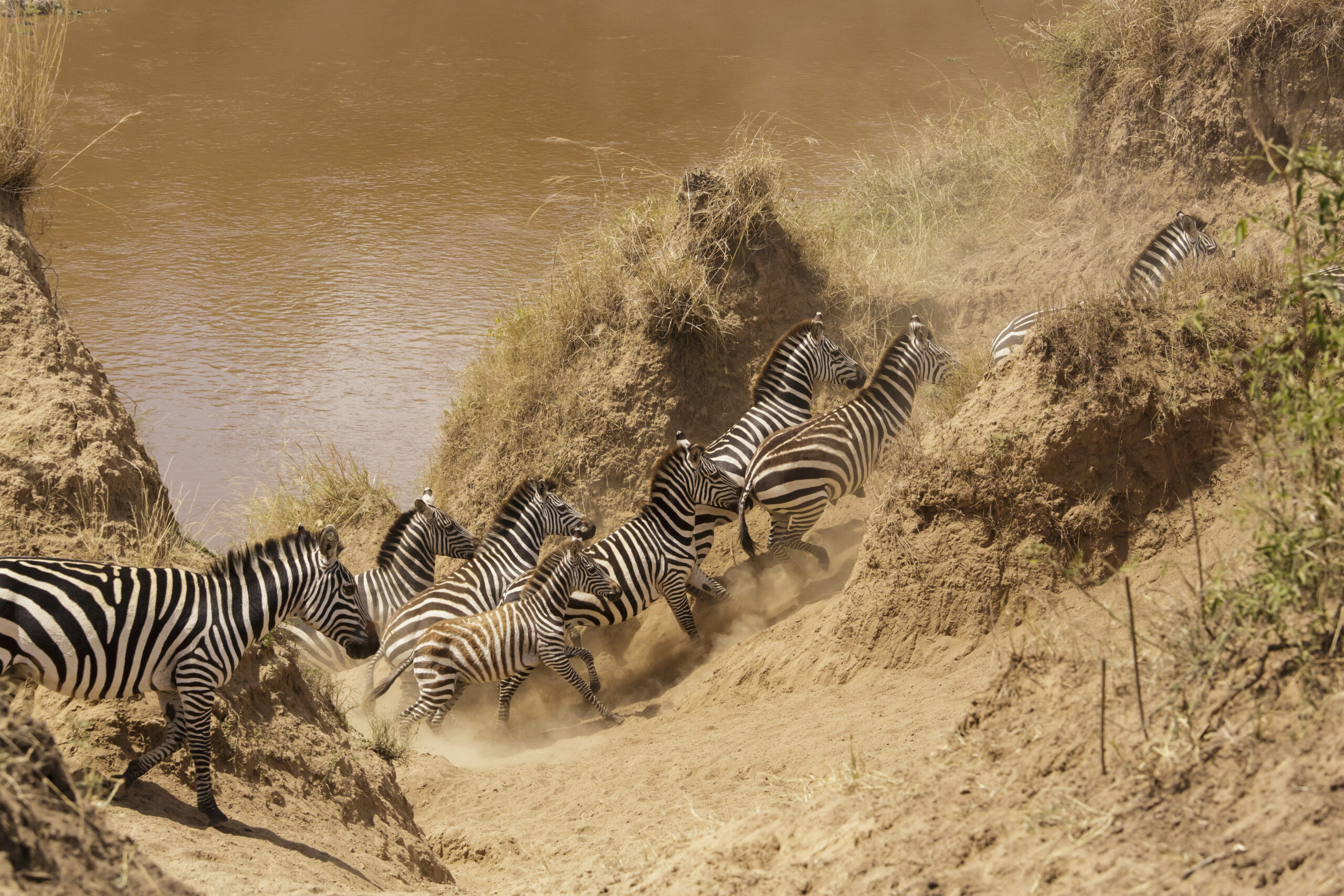
    Zebra crossing the Mara River during the Great Migration, Masai Mara National Reserve, Kenya
    Photo: Tomer T, CC BY-SA 4.0, via Wikimedia Commons

    Everyone plans a Mara trip around “the migration,” but the migration is not one event — it is a slow, months-long loop of grazing and river crossings, and where the herds are changes by the week. Booking around the calendar rather than the calendar year makes the difference between a good game drive and a Mara River crossing you remember for life.

    How the migration actually moves

    Roughly two million wildebeest, plus zebra and gazelle, follow rainfall in a clockwise loop between Tanzania’s Serengeti and Kenya’s Maasai Mara. They are not on a fixed schedule — rainfall timing shifts the herds earlier or later each year — but the broad pattern repeats annually.

    Month by month

    November – December. Herds head south into the Serengeti’s southern plains, drawn by the short rains. Little migration activity in the Mara itself, though resident wildlife viewing stays strong.

    January – March. Calving season in the southern Serengeti, well outside the Mara. Not the window for Kenya migration viewing, but a strong season for general Mara game drives with fewer crowds.

    April – May. Long rains across the ecosystem. Herds are on the move north but rarely reach the Mara yet. Lodge rates drop significantly in this shoulder season.

    June – July. The herds push north through the western Serengeti corridor and start reaching the Mara River. Late June into July typically brings the first crossings — chaotic, crocodile-watched fords that are the classic “migration” image.

    August – September. Peak season. The bulk of the herd is grazing across the Mara’s plains and conservancies, with crossings happening on and off throughout. This is also peak pricing and peak crowds at the main river crossing points.

    October. Herds begin drifting back south as the Mara dries out, with crossings continuing in the first half of the month before movement south picks up.

    Where to base yourself

    Camps inside the conservancies bordering the reserve tend to have fewer vehicles per sighting and more flexible game-drive rules than camps inside the main reserve boundary, which matters most during the July–October crush. See our guide to Africa’s ultra-luxury safari camps for specific picks.

    FAQ

    Is the migration guaranteed if I visit in August? No sighting in the wild is guaranteed, but August through September is the most reliable window for both herd presence and river crossings.

    Is the Mara worth visiting outside migration months? Yes — resident lion, elephant and giraffe populations mean strong game viewing year-round, and shoulder months bring lower rates and fewer vehicles. See our month-by-month East Africa safari guide for the wider picture beyond the Mara alone.

    Related